
“Did I take my medicine?”
STUDENT · COMMUNITY · CREATIVITY
I’m Jessica Ni
A student who is curious about the connections between science, creativity, and community.
From biology and neuroscience to environmental art and service projects, I am drawn to ideas that can move beyond the classroom and become something meaningful in the real world. I believe learning matters most when curiosity is paired with care.
“Learning begins with curiosity, but becomes meaningful through care.”
A MAP OF MY EXPERIENCES
Contents
These experiences continuously enrich my life.
01FEATURED PROJECT
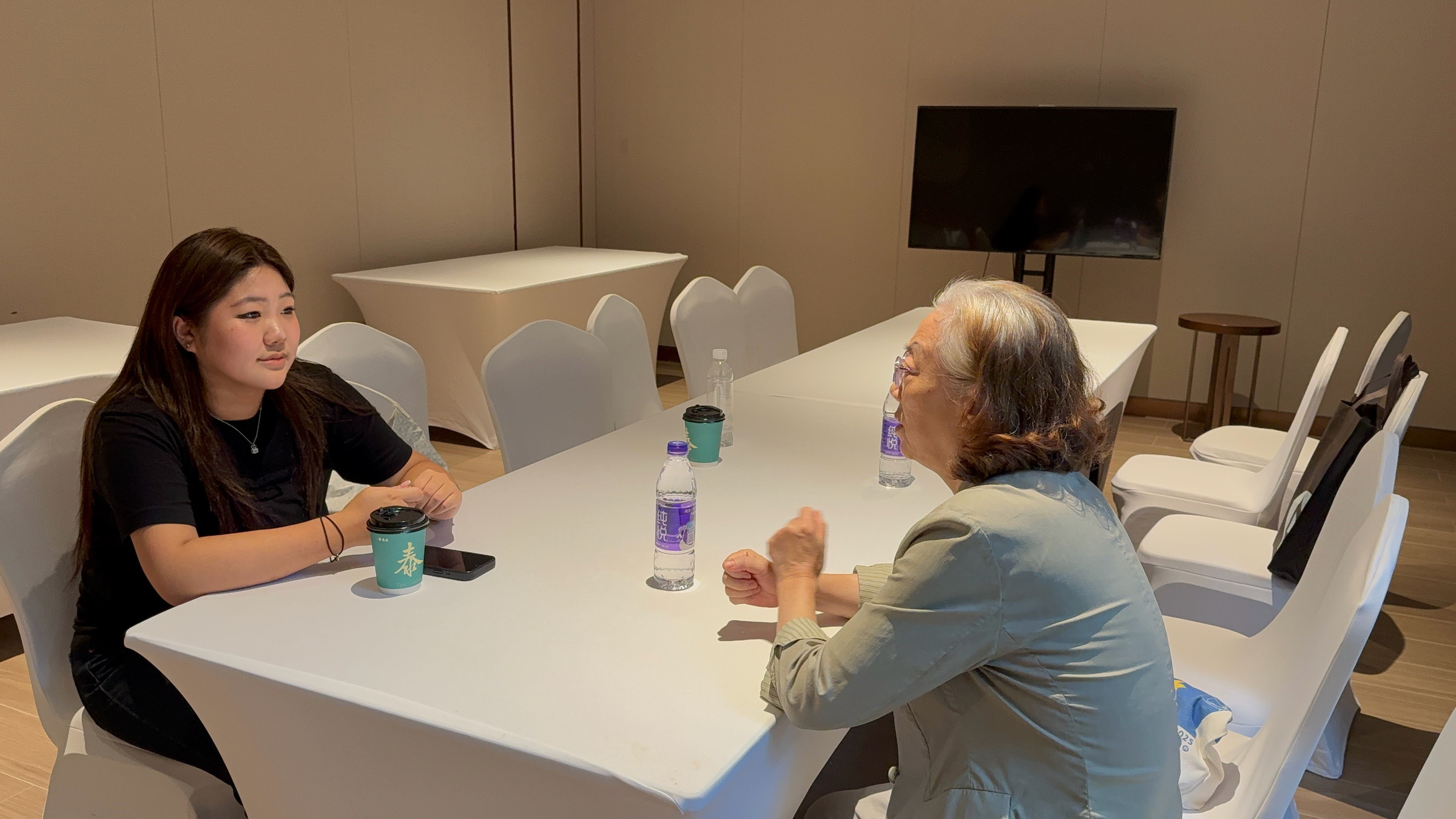
TAIKANG VISIT · LISTENING & OBSERVATION
Can We Hold On to Memory?
A journey from listening to understanding—and from understanding to care.
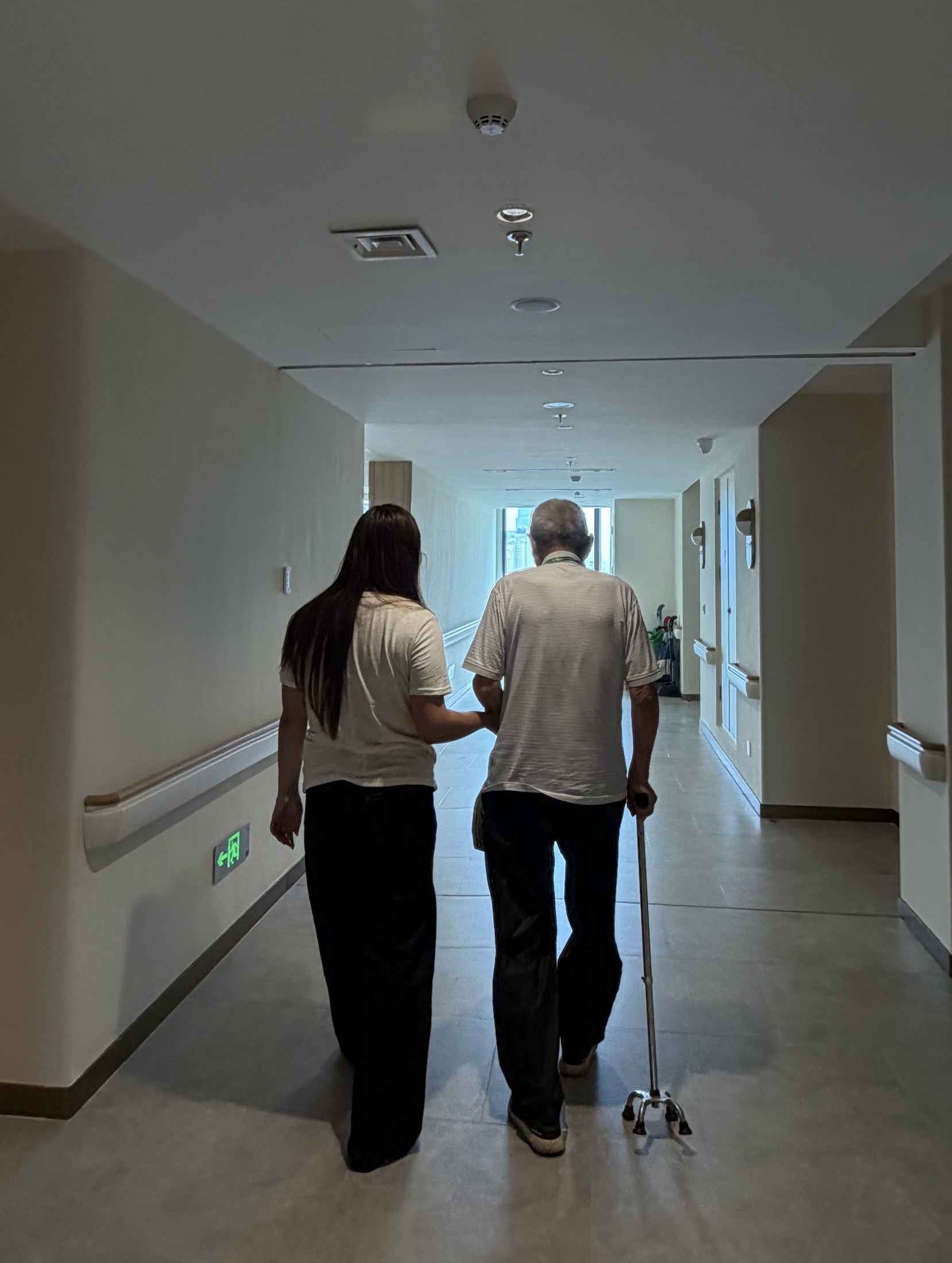
Real experiences of memory loss
Through conversations with early Alzheimer’s disease older adults, including my grandma, who affected by Alzheimer’s disease, I began to understand that memory loss is often experienced through small, everyday moments rather than dramatic changes. Some described forgetting whether they had taken their medication, losing track of recent conversations, or struggling to remember details that once felt automatic.
What stayed with me most was not simply that they were “forgetting,” but how these changes affected their independence, confidence, and daily routines.
01 / Can We Hold On to Memory?
LISTEN —What I heard
What the interviewee said
“I know your face, but the name takes longer to come back.”
“I walked into the room and forgot what I came here to do.”
01 / Can We Hold On to Memory?
OBSERVE — What I saw.
Memory in the care environment
Volunteering in a senior-care facility, I saw how memory loss could gradually reduce a person’s independence. Needing help with daily routines, finding their rooms… Their sense of place and time could also become less certain, making familiar environments and repeated cues especially important.
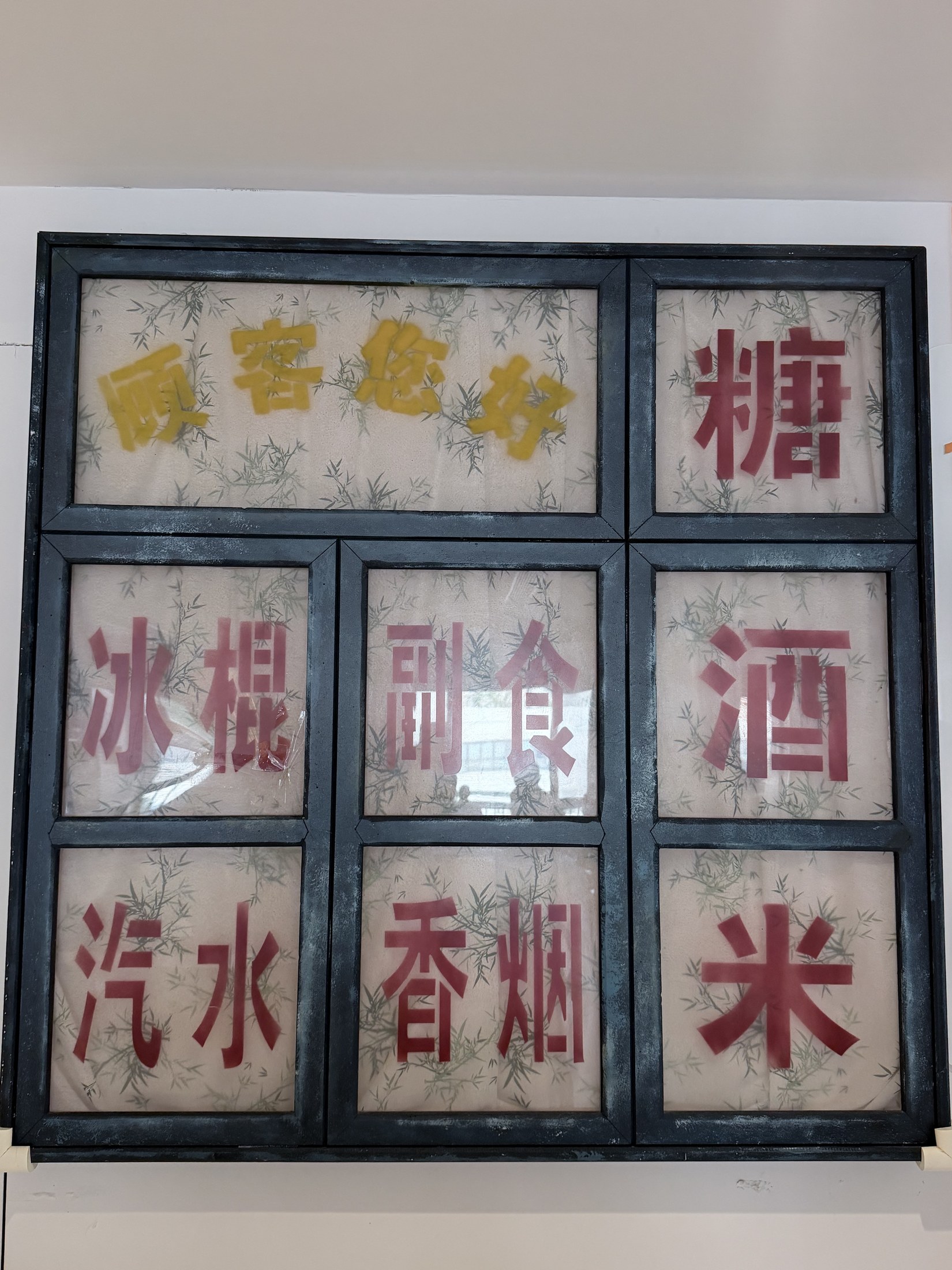
01 / MEMORY
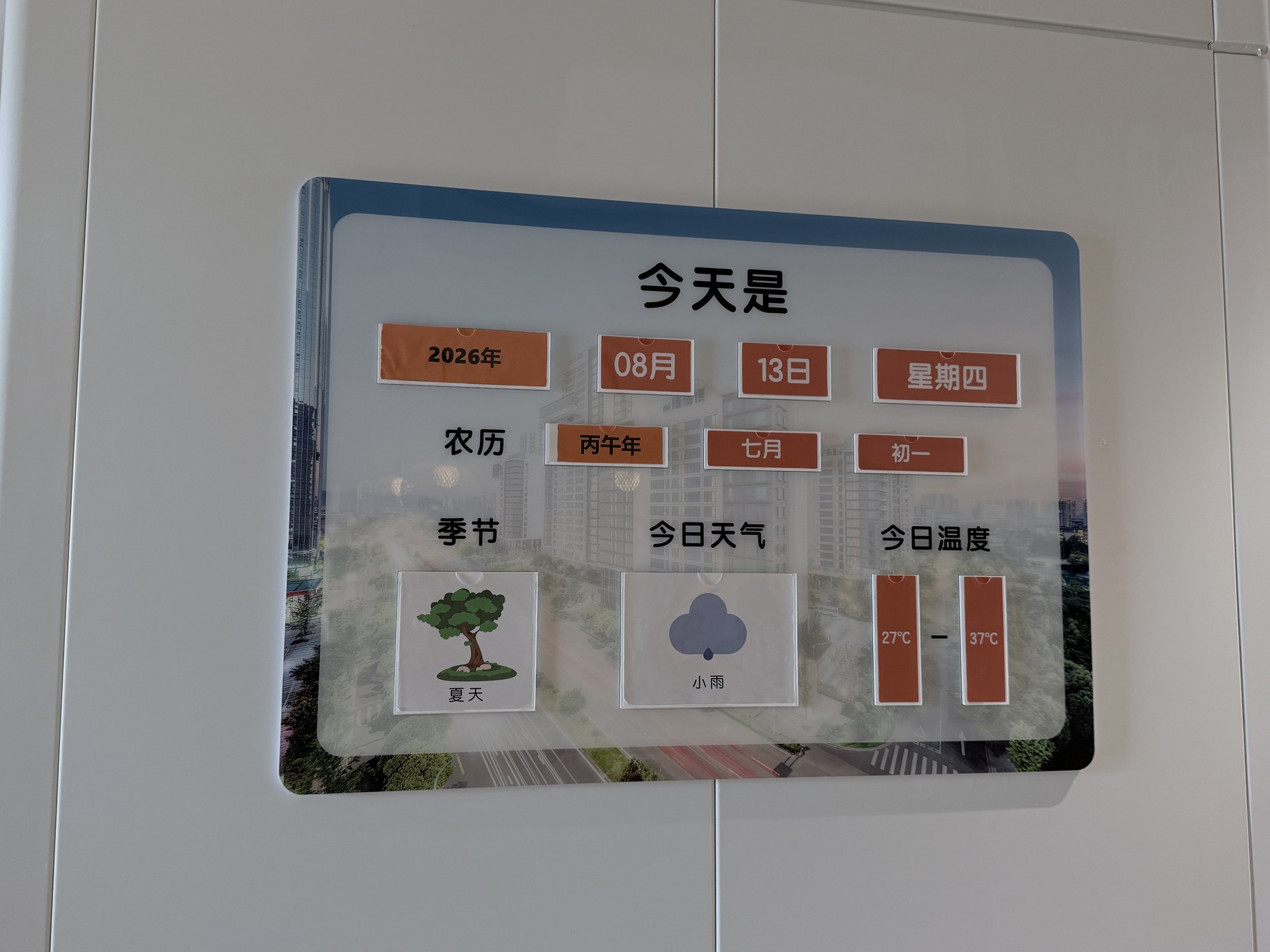
Era Memory Facility
Familiar signs and displays can support orientation in everyday spaces.
↗
02 / ACCESSIBILITY
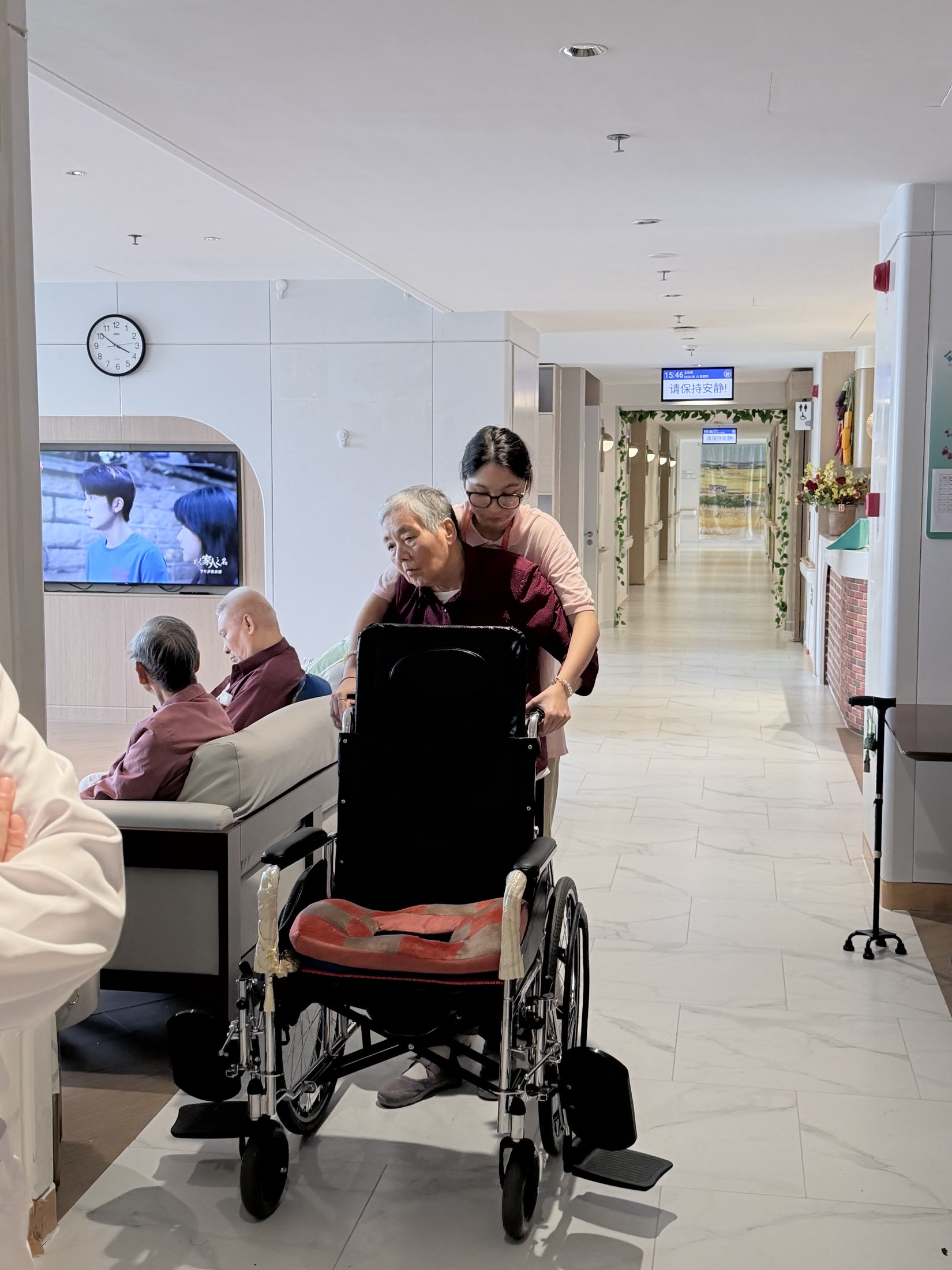
Aging-friendly facilities
Handrails and clear spatial cues help make daily movement safer.
↗
03 / CARE
Caregivers and Activities
Daily Activities and Rehabilitation Training
↗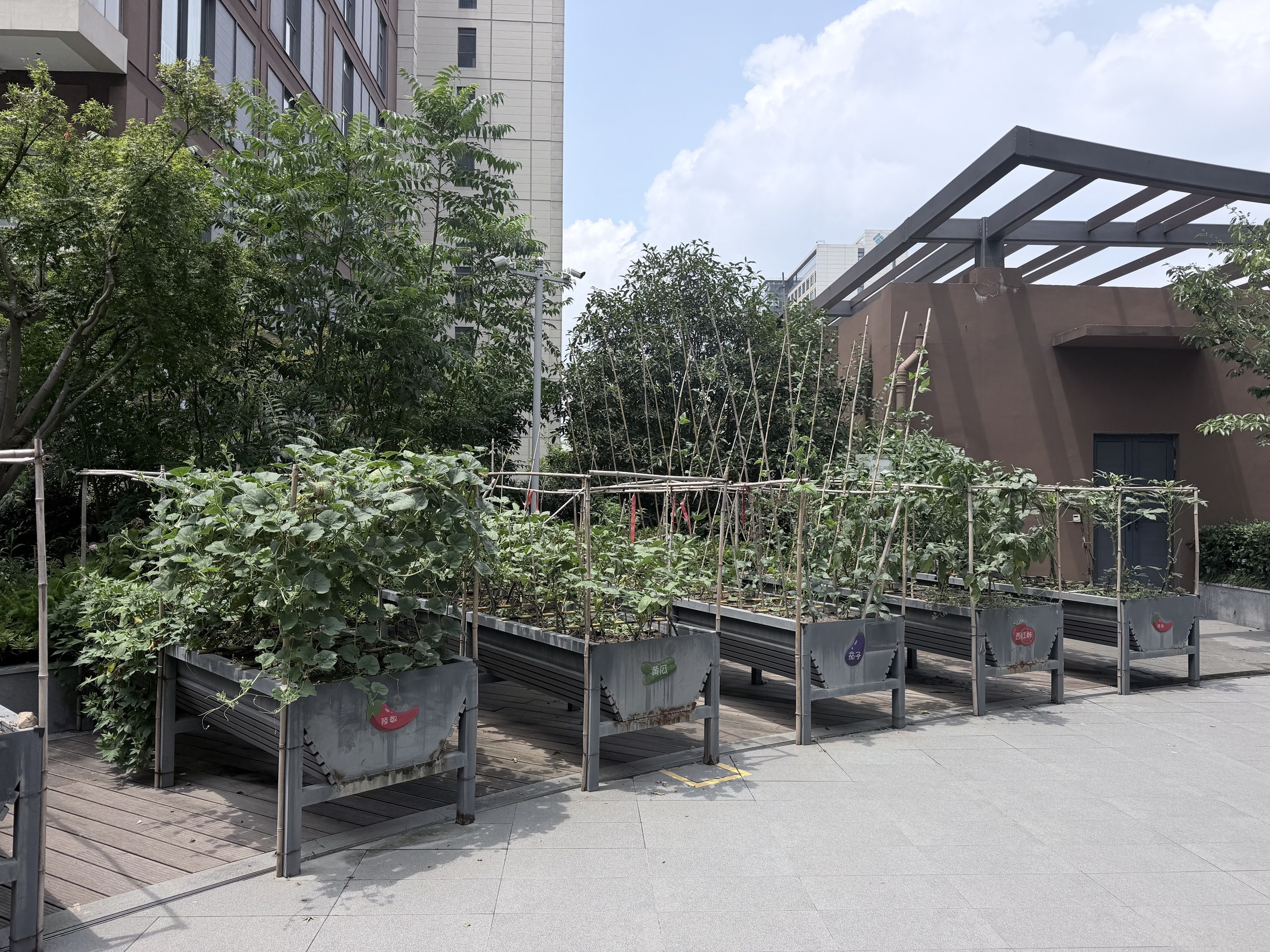
04 / SHARED SPACE
Shared environment
Gardens and common areas shape how residents meet, rest, and participate.
↗01 / Can We Hold On to Memory?
LEARN — What I learned
The neuroscience behind memory
Wanting to understand what I had heard, I began studying the neuroscience of Alzheimer’s disease. In my research paper, The Role of the Hippocampus in Memory Impairment: A Study of Alzheimer’s Disease, I explored how the hippocampus supports memory formation and spatial navigation, and how its degeneration contributes to memory impairment. This helped me connect changes occurring inside the brain with the difficulties people experience in everyday life.
Abstract
Alzheimer's disease (AD) is a continuous neurological dysfunction that can be recognized by problems in memory, thinking, and performing daily life. This paper explores the reason for memory loss in AD in hippocampal dysfunction. The hippocampus is needed to construct and organize memories of specific events and places, and also recall them. Its sub-regions, including the dentate gyrus and the CA1-CA4 regions, form an interrelated network that distinguish similar events, rebuild complete memories from partial information, and transfer processed information to other areas of the brain. At this time, there is an overgrowth of amyloid-β plaques and irregular tau proteins; as a result, there is synaptic damage, neuronal death and gradual hippocampal atrophy. CA1 and the entorhinal cortex are relatively more vulnerable in early phases of disease. Damage in these areas can disrupt memory encoding and retrieval, and could lead to rapid forgetting, confusion between similar experiences, spatial disorientation and wandering. Studies on Amyloid Precursor Protein Knock-In (APP-KI) mice have also found that, in the same circumstances, there are damaged hippocampus and entorhinal circuits, and they have impaired spatial memory. Magnetic resonance imaging (MRI) structural analysis, cognitive tests, amyloid protein and tau biomarkers may help detect these changes before severe symptoms occur. Overall, understanding hippocampal injury is helpful for early diagnosis, individualized observation, and the progression of treatment methods that protect neurons, repair neural circuits, and minimize the growth of the disease.
01 / Can We Hold On to Memory?
CREATE — What I built
MemoryCare
These experiences led me to ask a new question: Could I turn what I had learned into something useful?
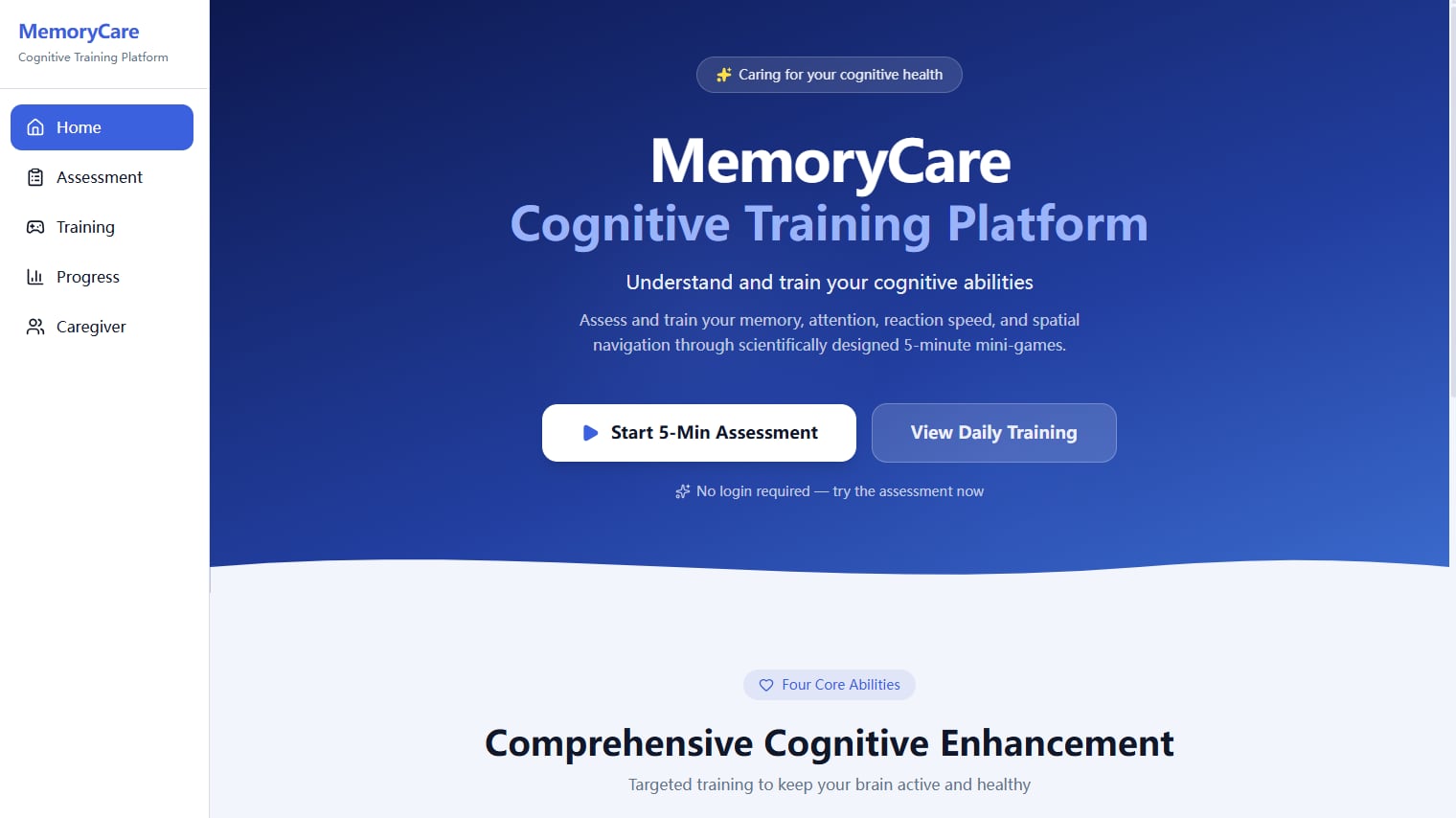
I created MemoryCare, an age-friendly cognitive health platform designed around four areas: memory, attention, reaction speed, and spatial orientation. Through short activities such as picture matching, visual search, reaction exercises, and route-memory tasks, users can engage with cognitive training and follow their progress over time.
MemoryCare is not intended to diagnose Alzheimer’s disease. Instead, it grew from my attempt to translate listening, research, and observation into a tool that could make cognitive health more approachable for older adults and their families.
02
VOLUNTEERING · ECO ART
Eco Art Club × The Armory Newburgh
In environmental art activities, create with materials alongside children.
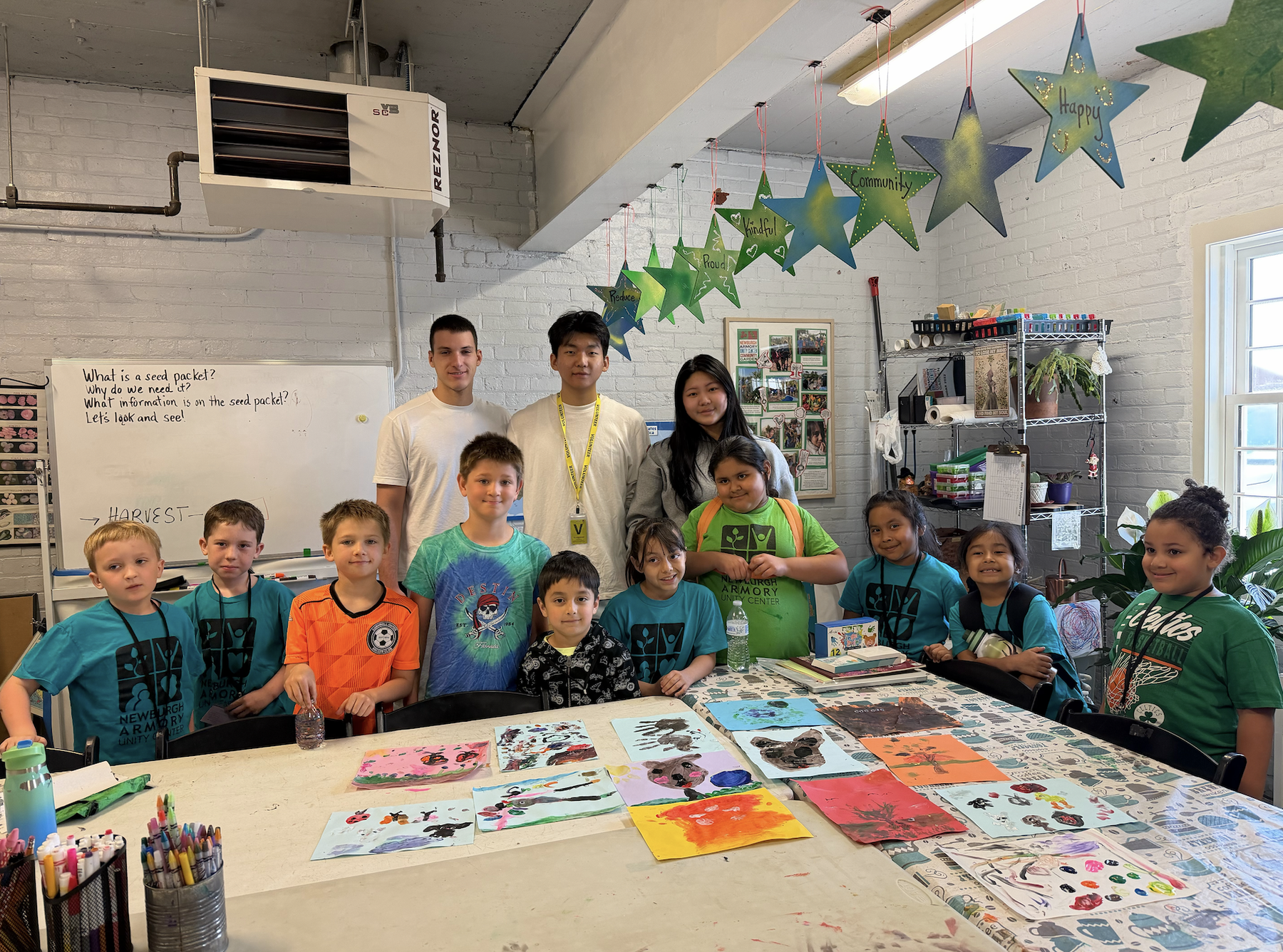
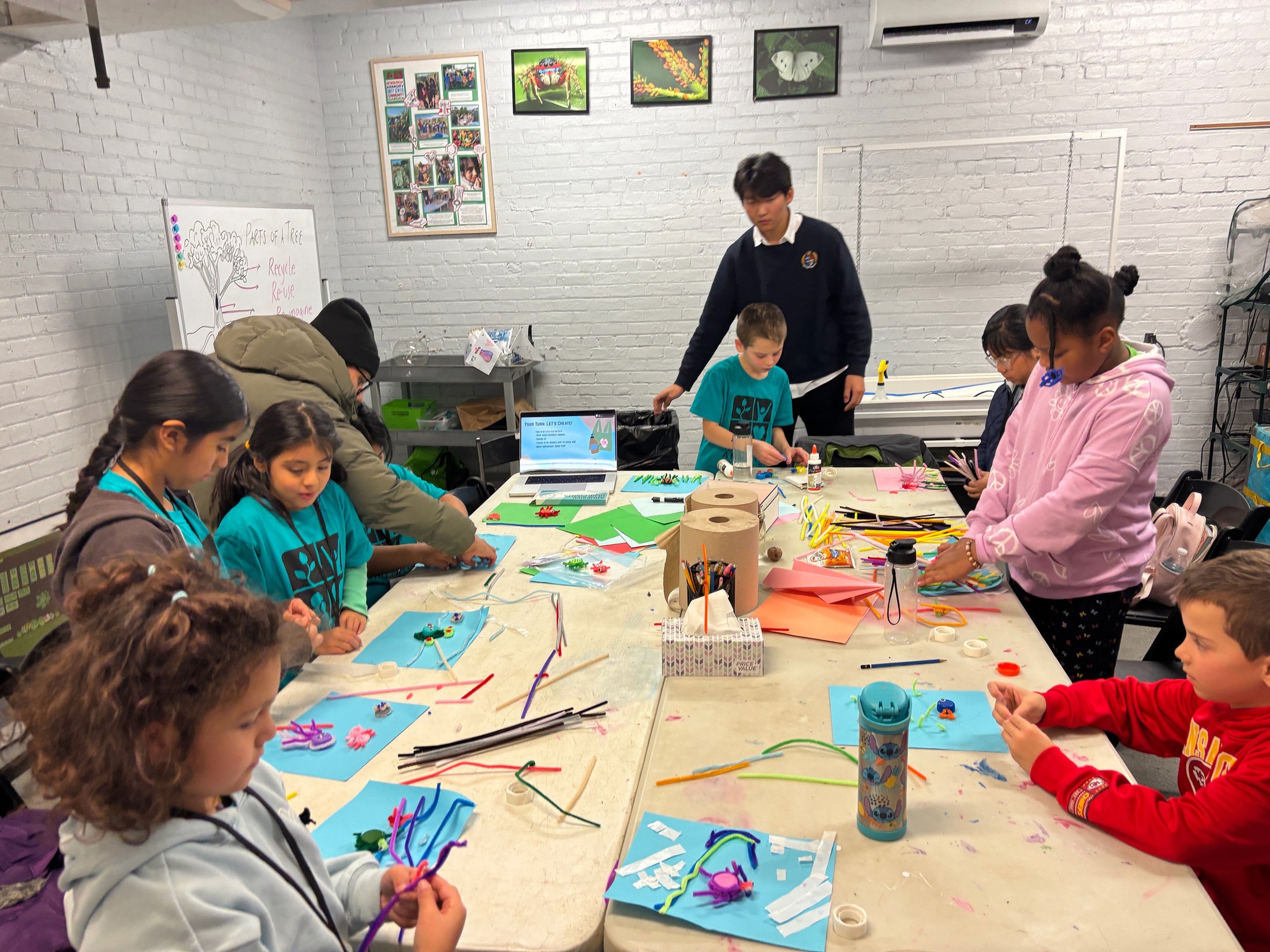
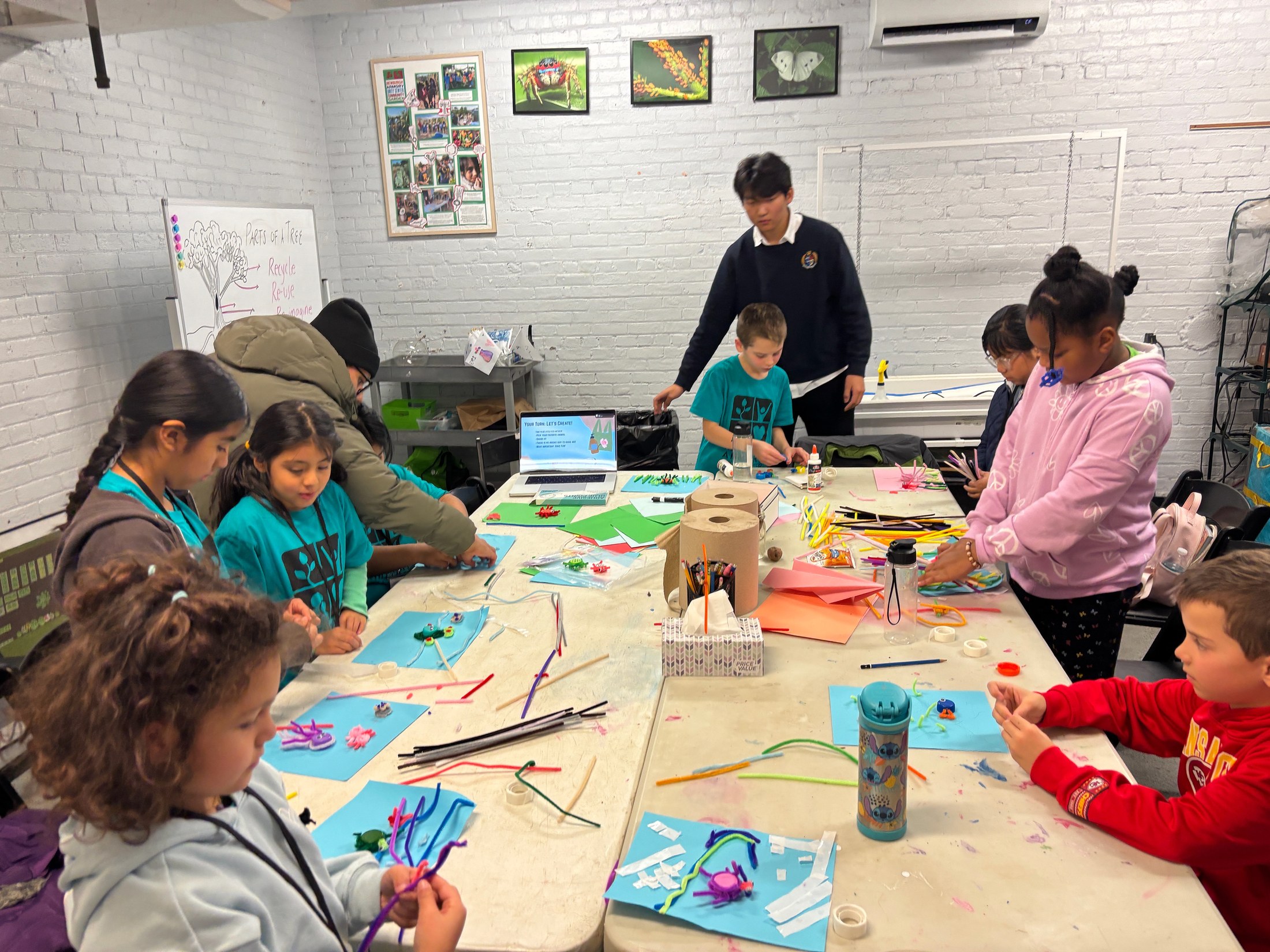
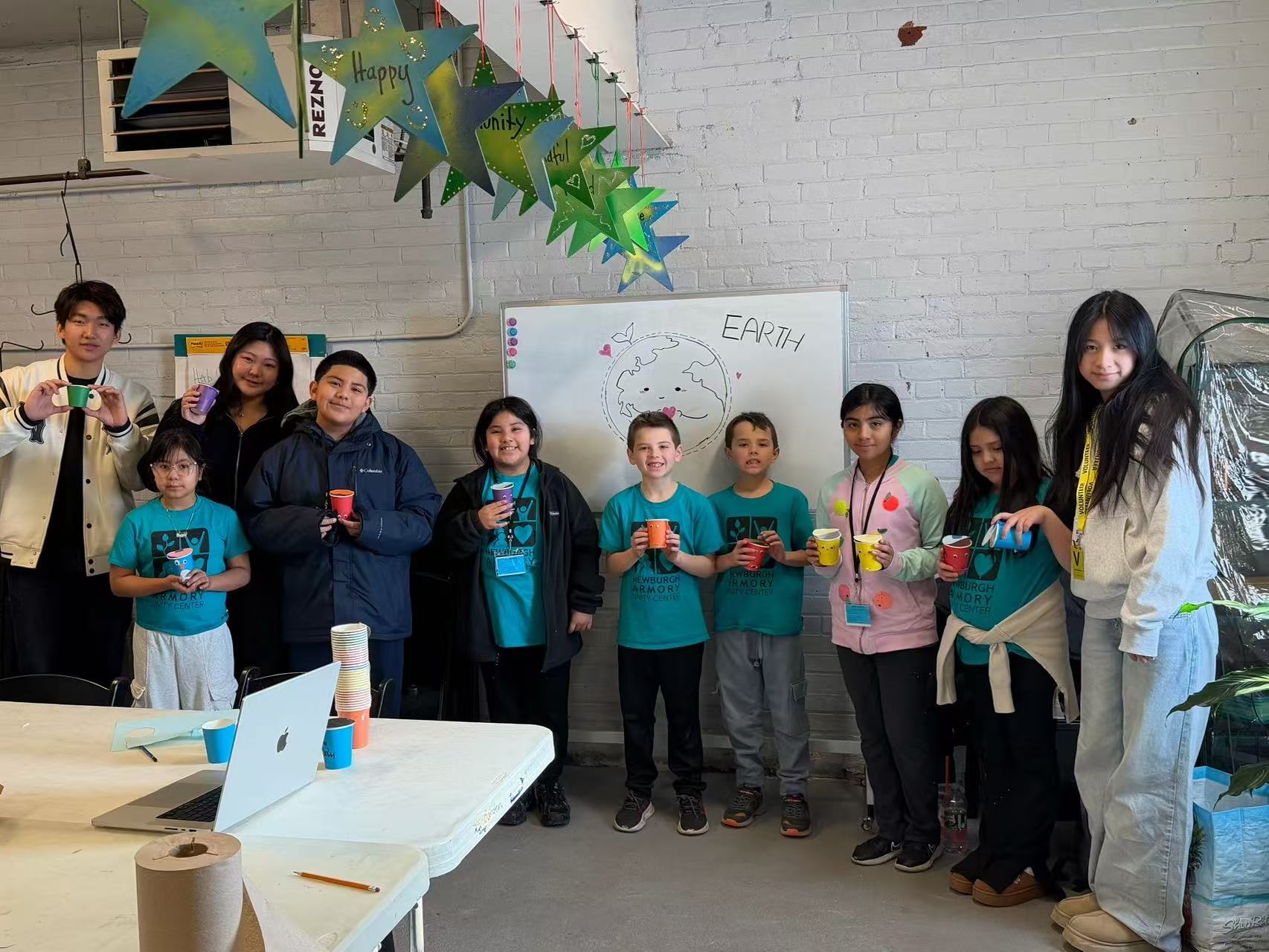
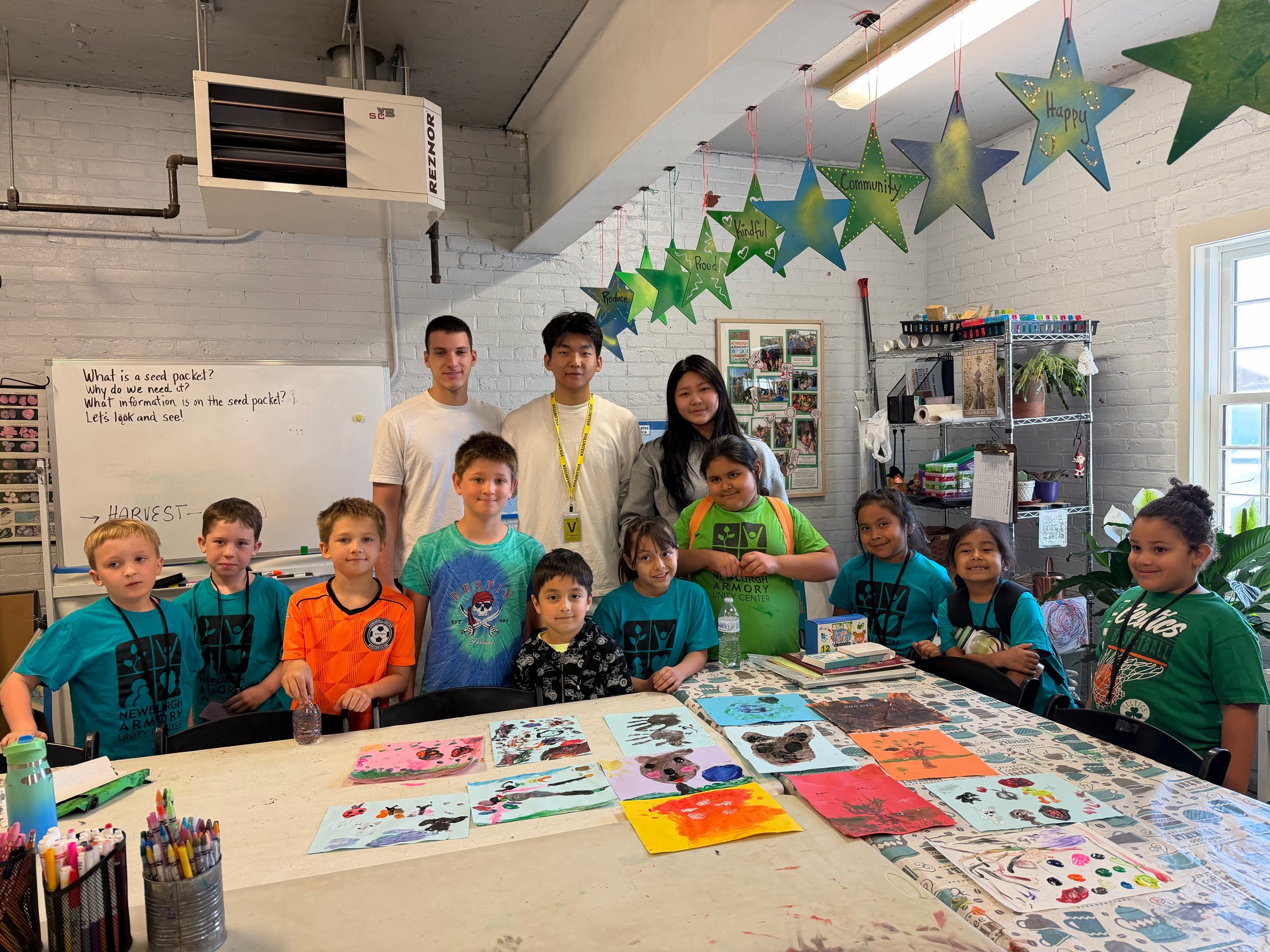
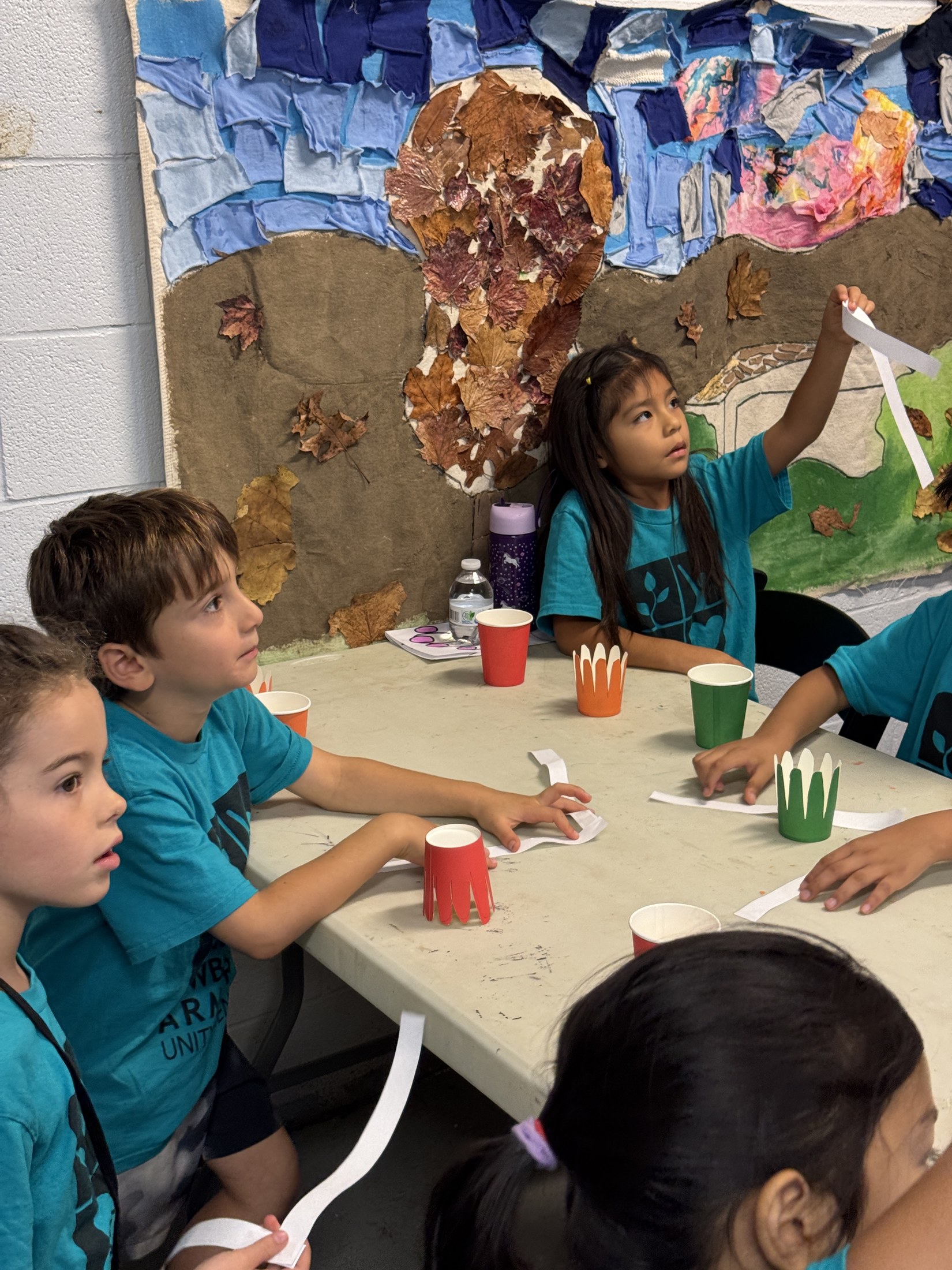
Through Eco Art Club, I organized environmental art activities at The Armory in Newburgh, NY, combining creativity, sustainability, and community service. Each session introduced children to an environmental topic through a short discussion, followed by a hands-on art project using recycled or repurposed materials.
Activities such as creating artwork from bottle caps encouraged students to see everyday waste differently—not simply as something to throw away, but as material that could be reimagined. Through these workshops, I hoped to make environmental awareness more engaging, creative, and accessible to younger students.
02 / ACTIVITY ARCHIVE
Activities
03
VIEW DETAILS
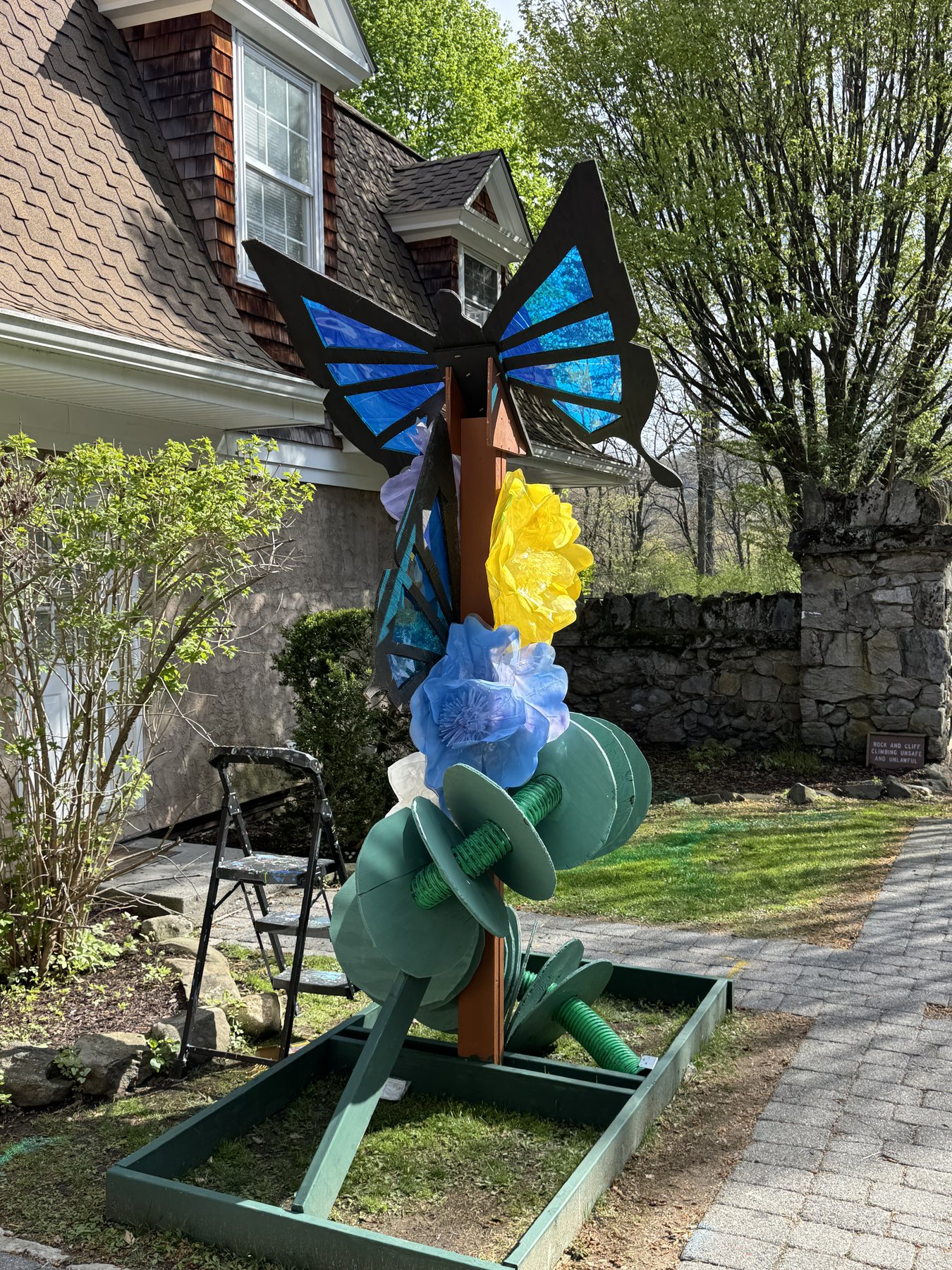
BUILDERS CLUB
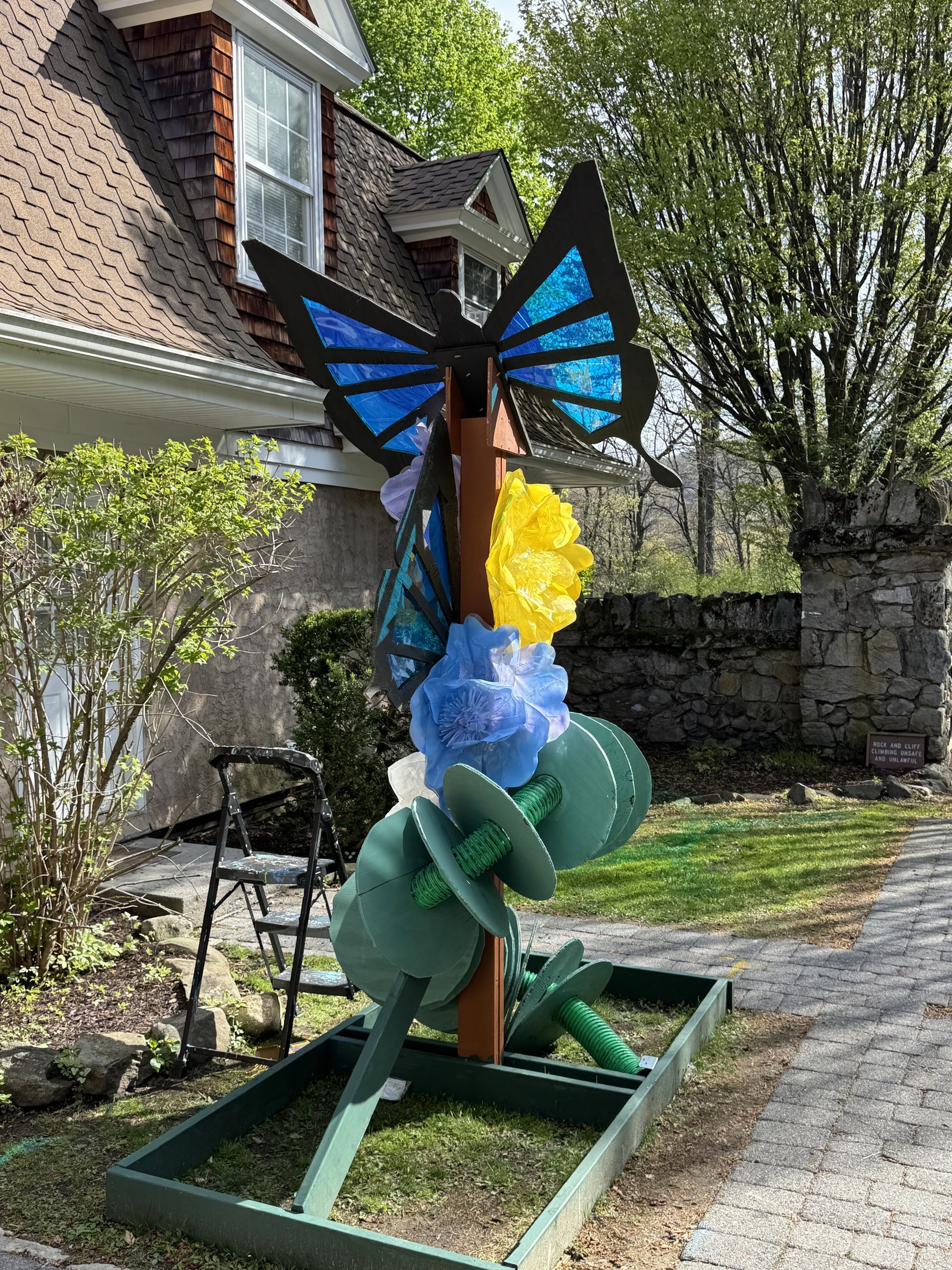
Spring
From conception to construction, transforming materials into a collaborative masterpiece.
03
VIEW DETAILS
ENVIRONMENTAL ARTWORK
Sound of Ocean
A device made from recycled ocean materials, hoping that more people will see this issue.
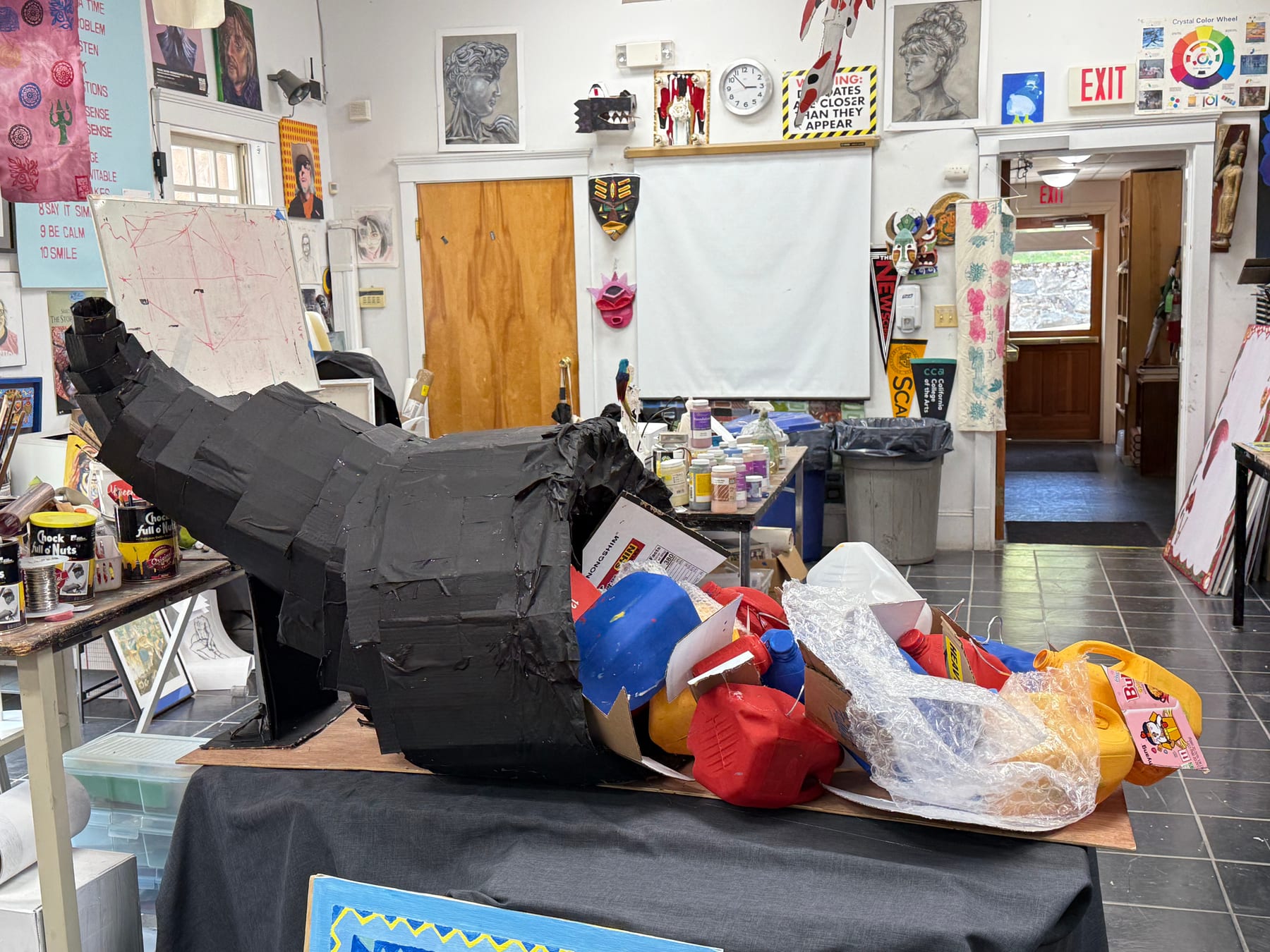
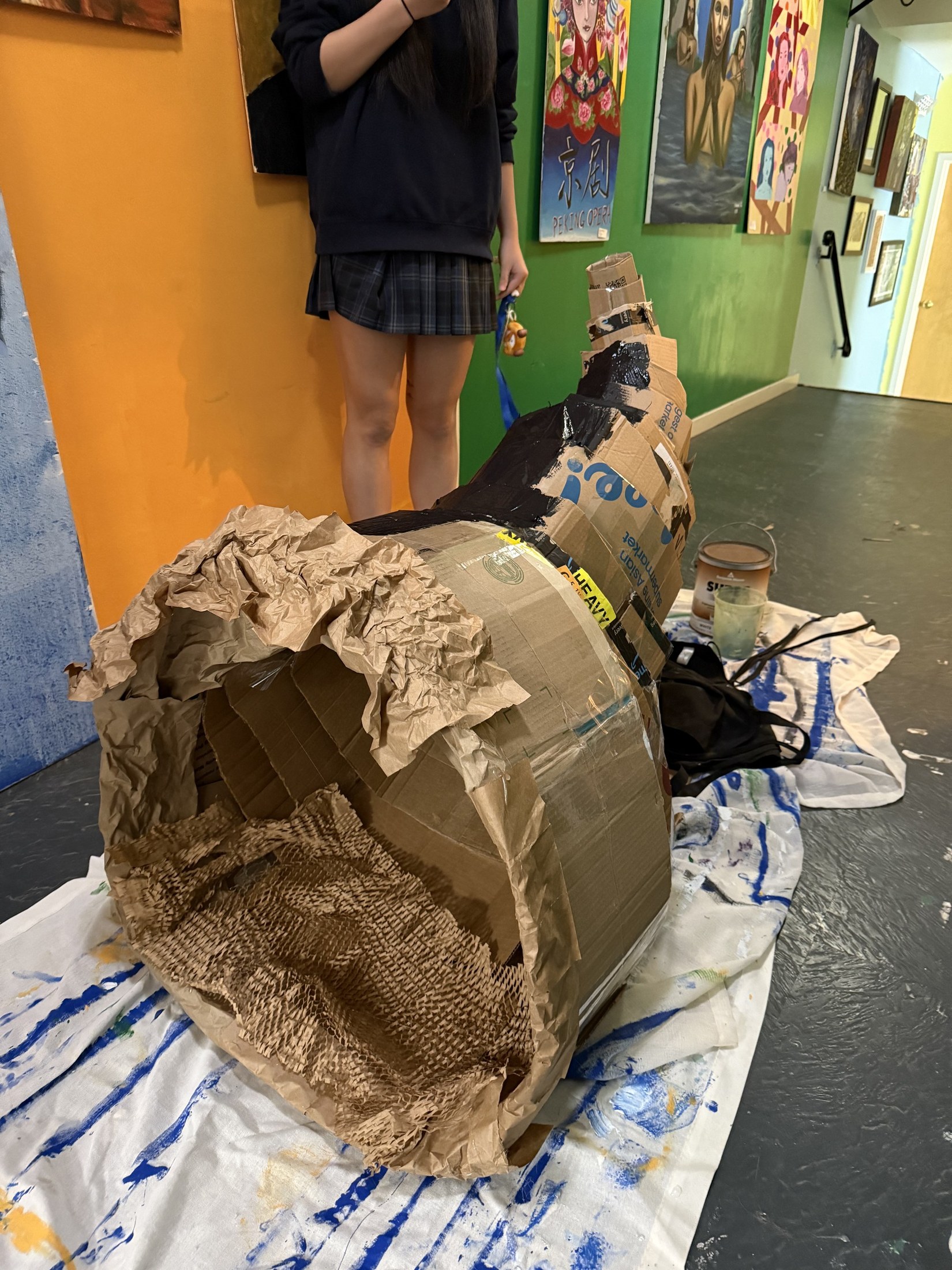
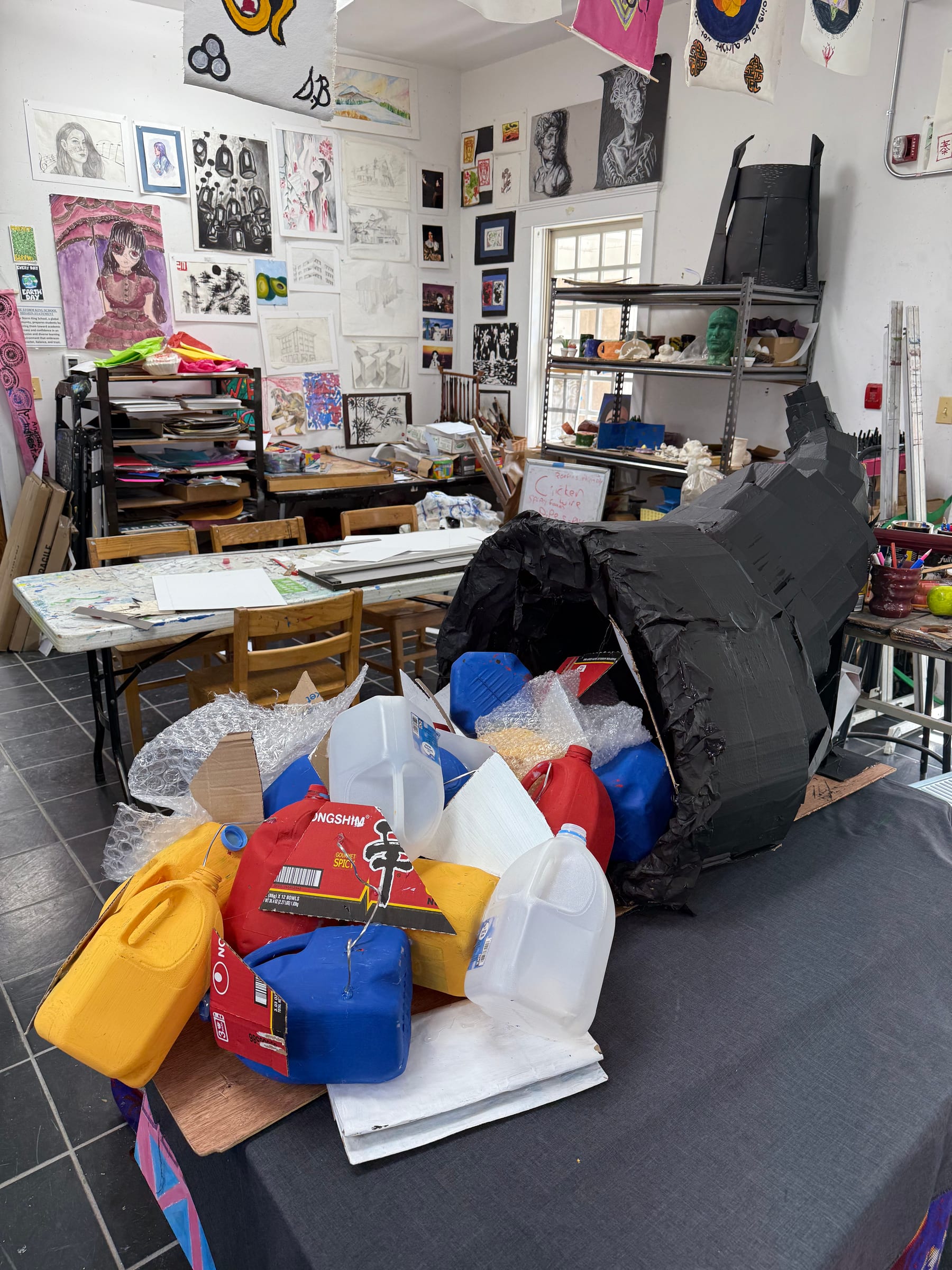
Introduction to the WorkSound of Ocean explores the relationship between plastic pollution and the marine environment. Using discarded plastic as an artistic material, the installation transforms everyday waste into a visual reflection on consumerism, environmental damage, and humanity’s impact on natural ecosystems.
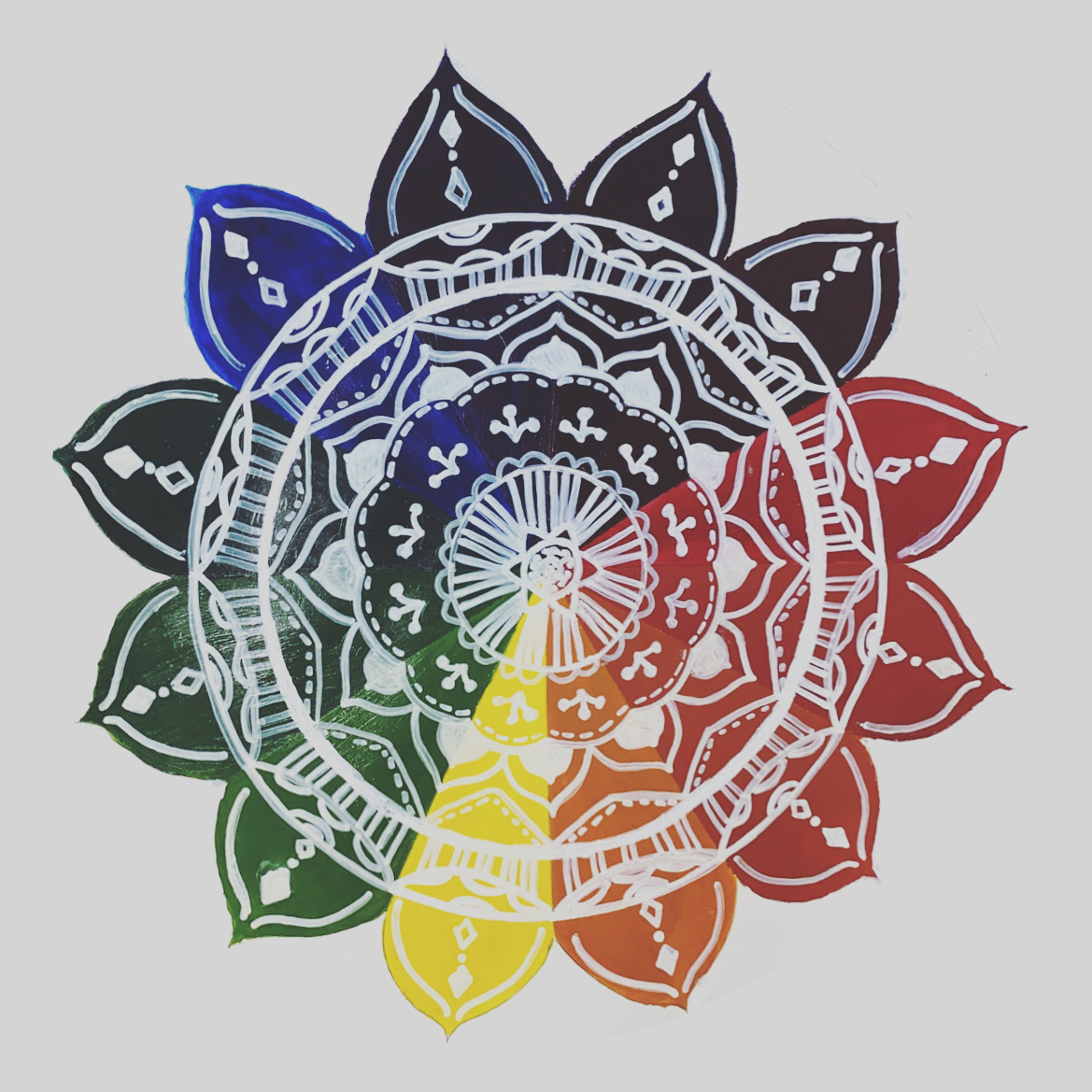
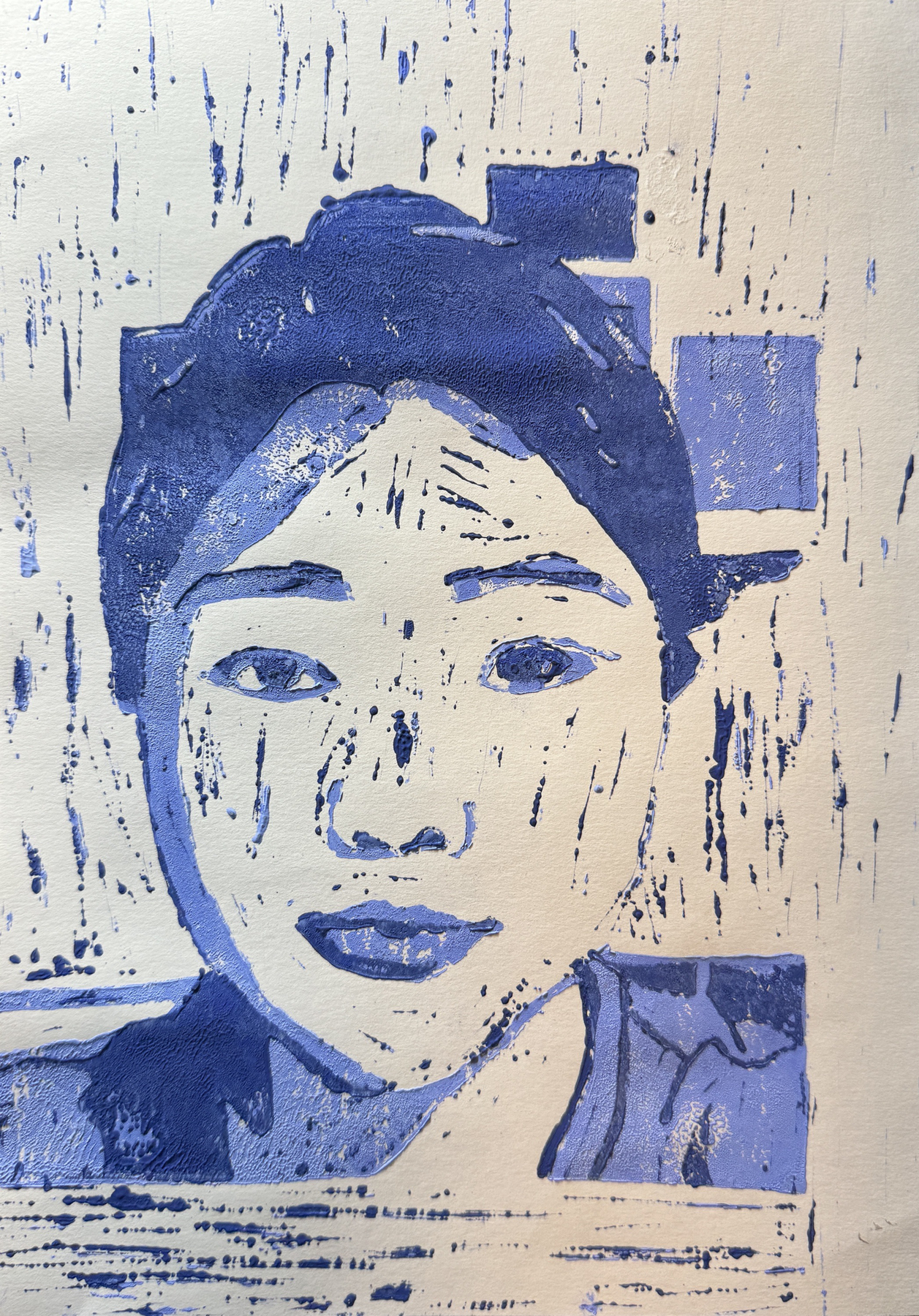
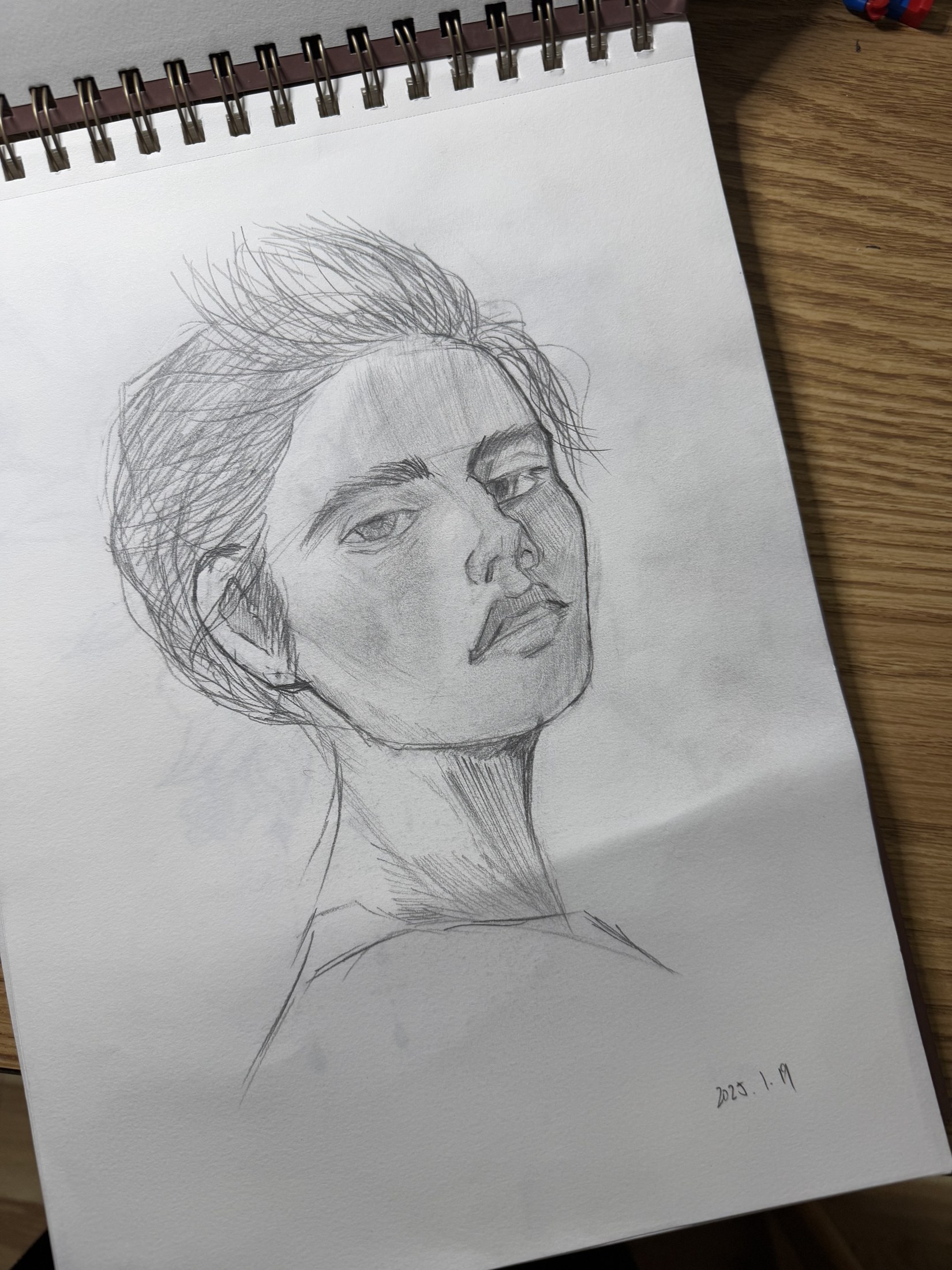
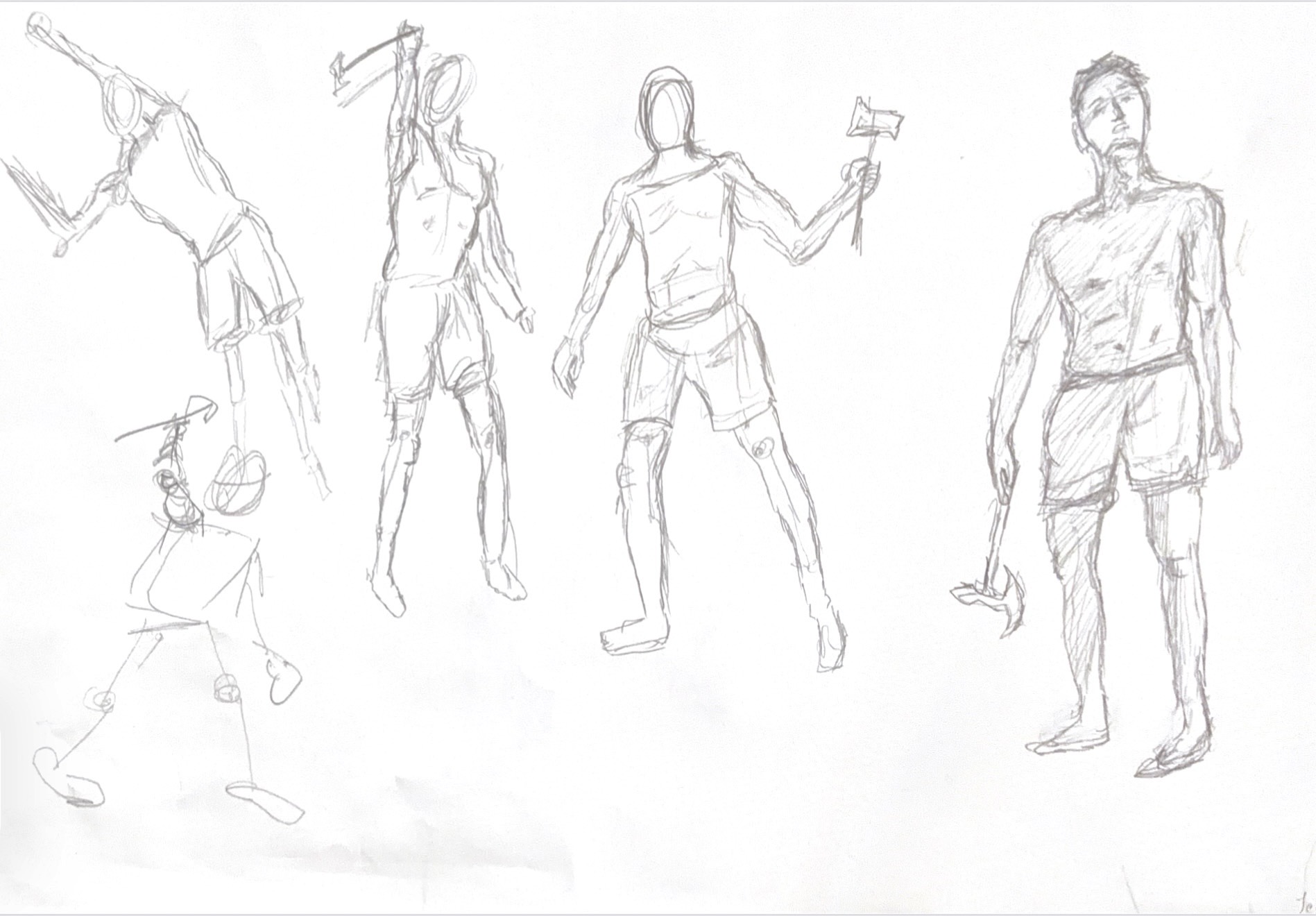
PERSONAL INTEREST · ART
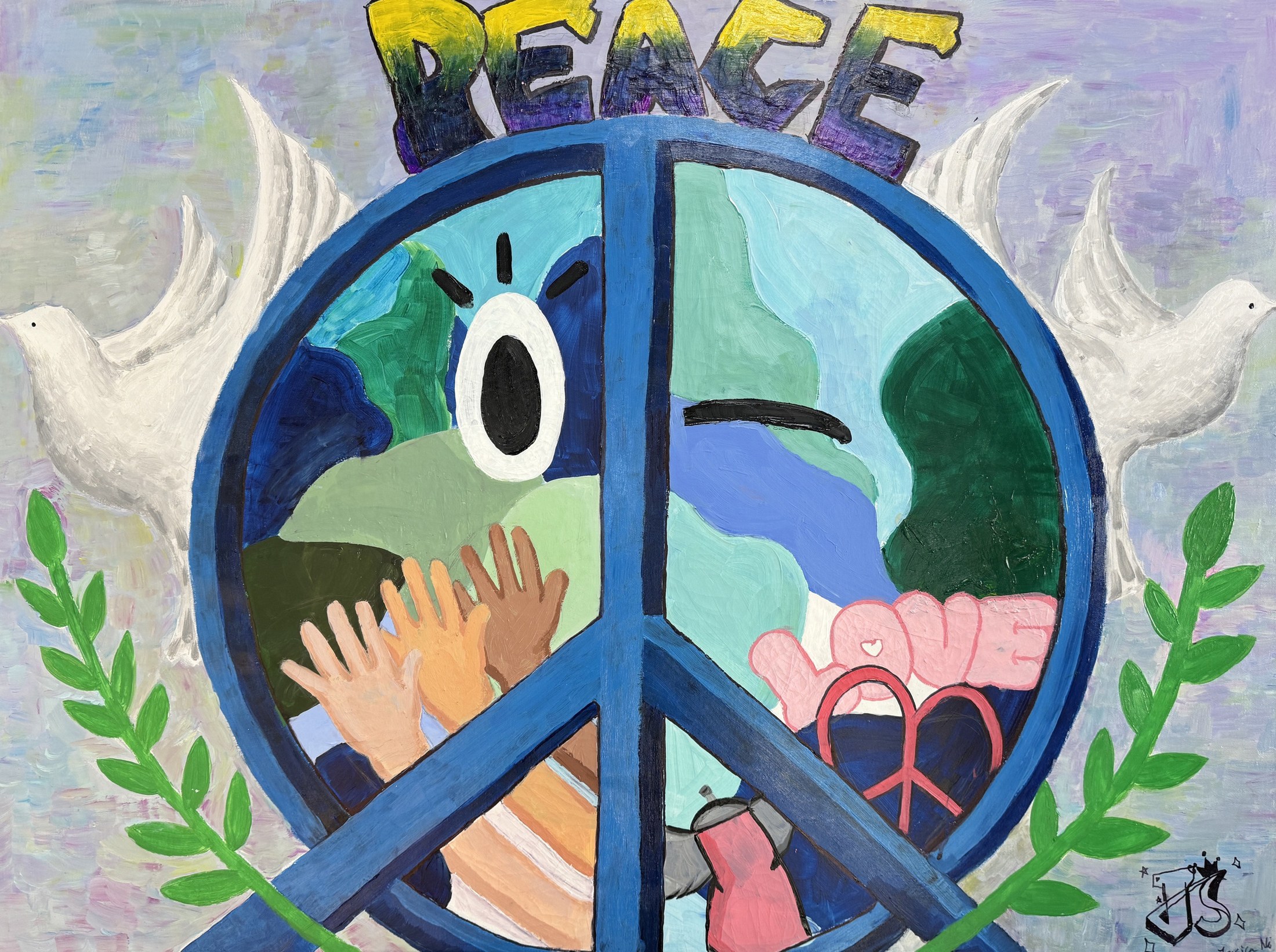
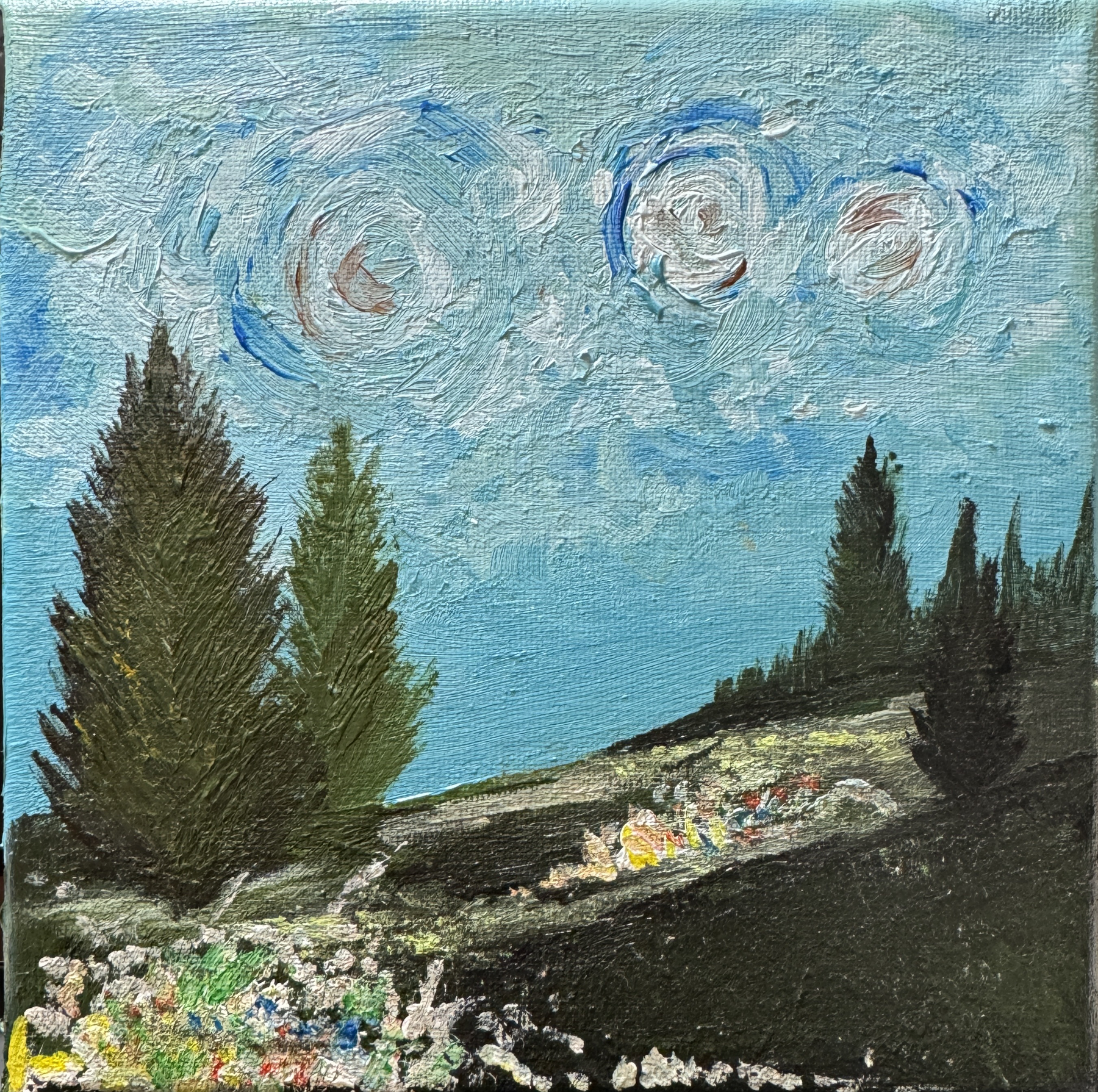
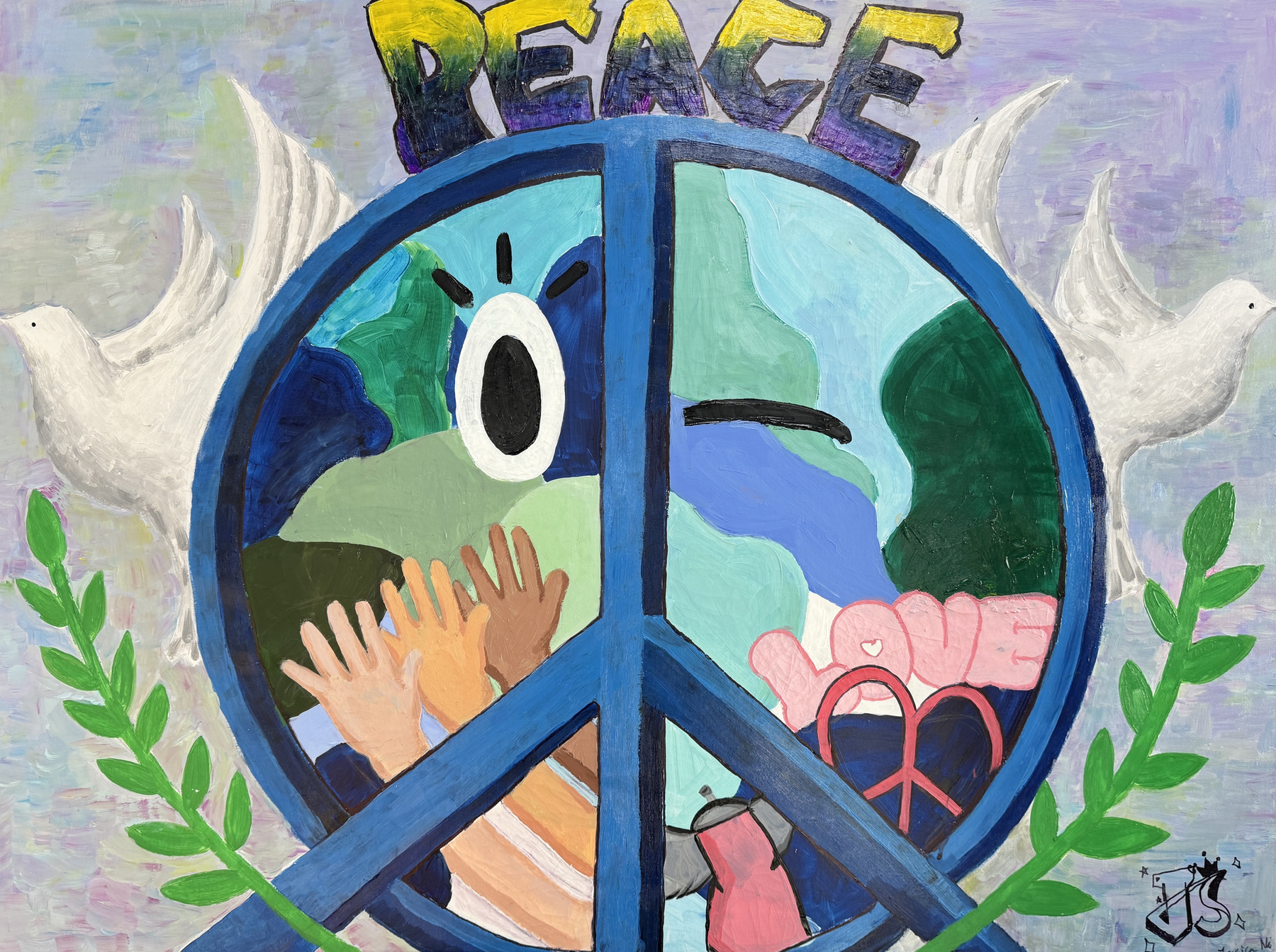
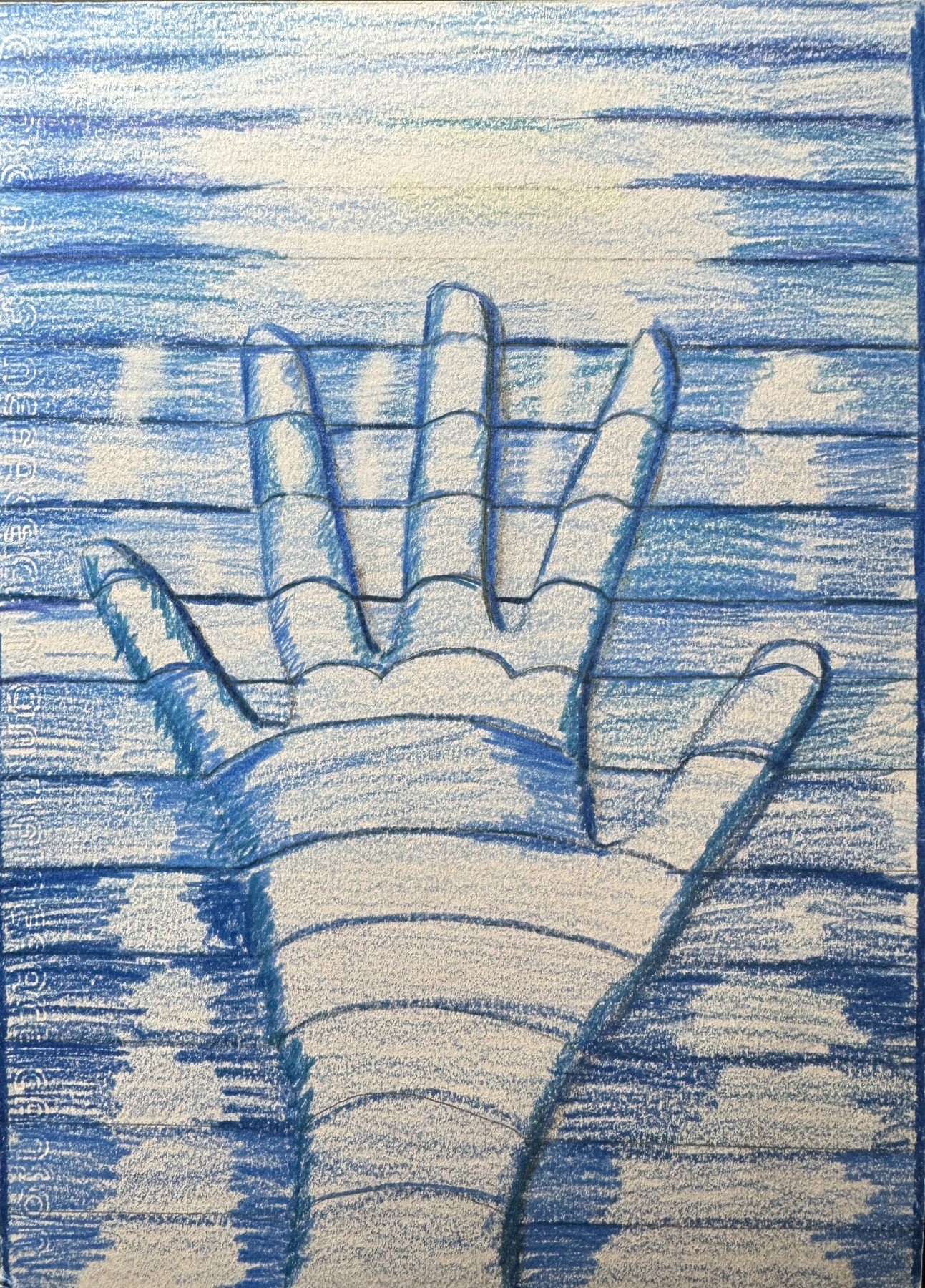
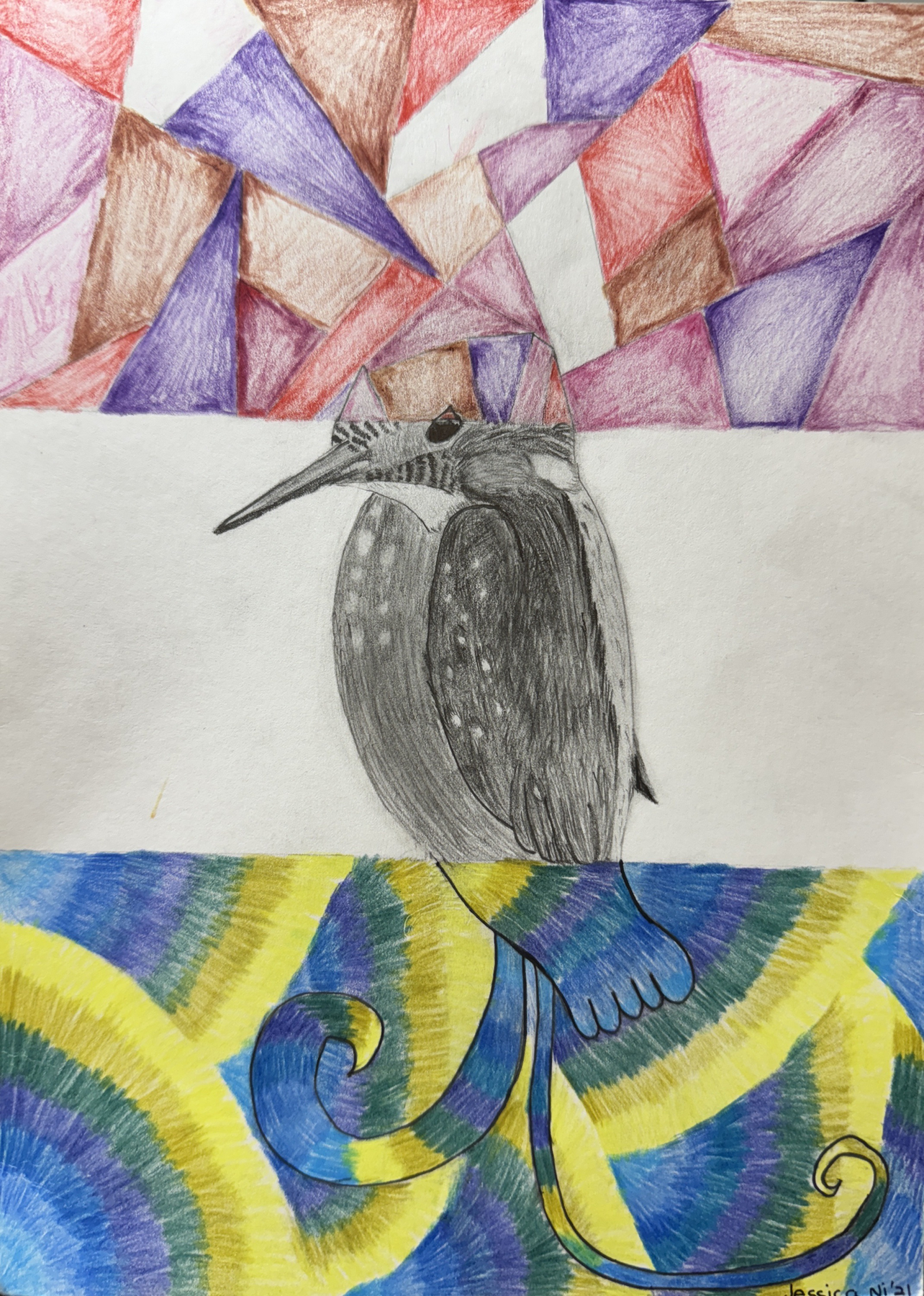
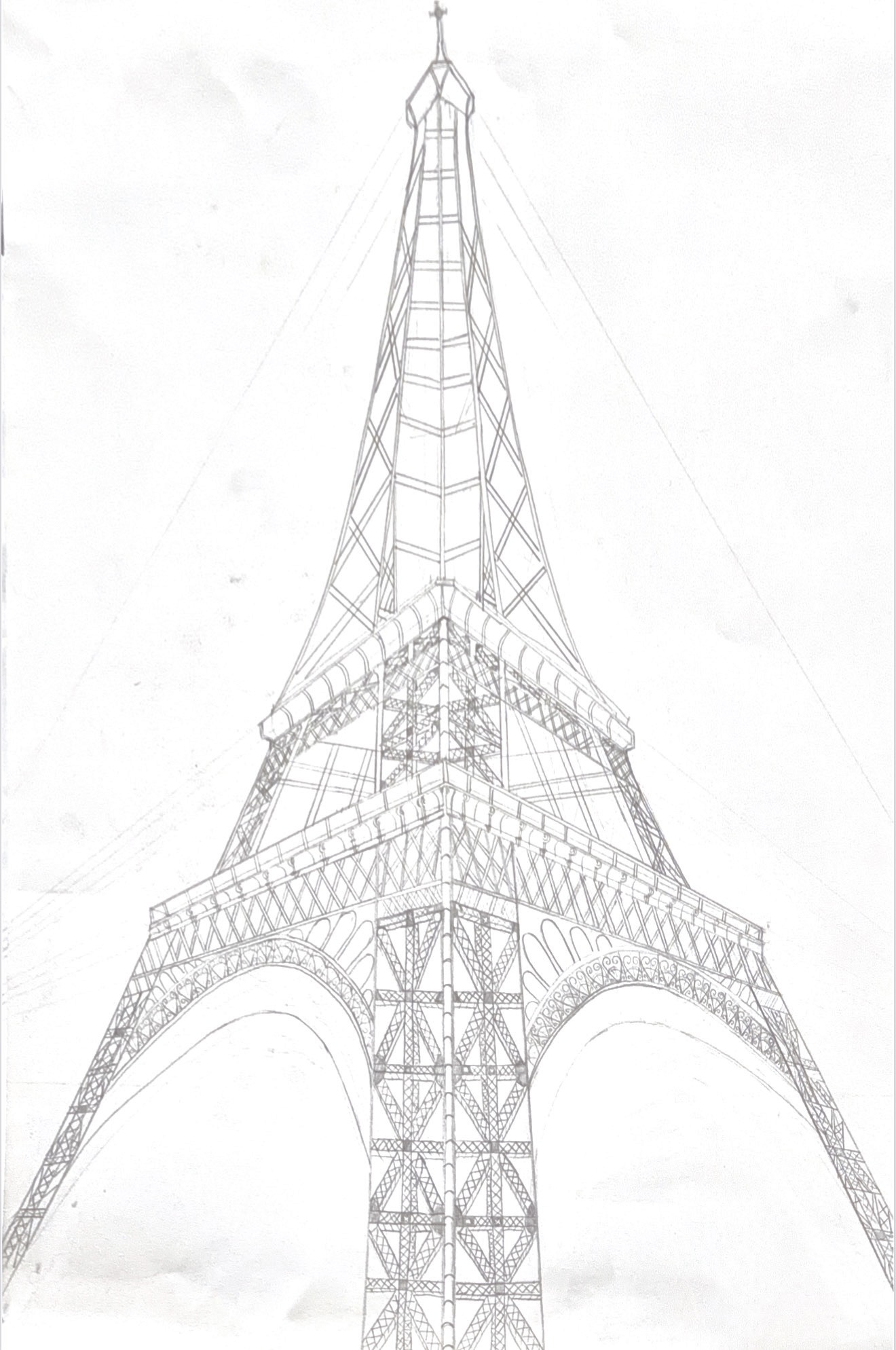
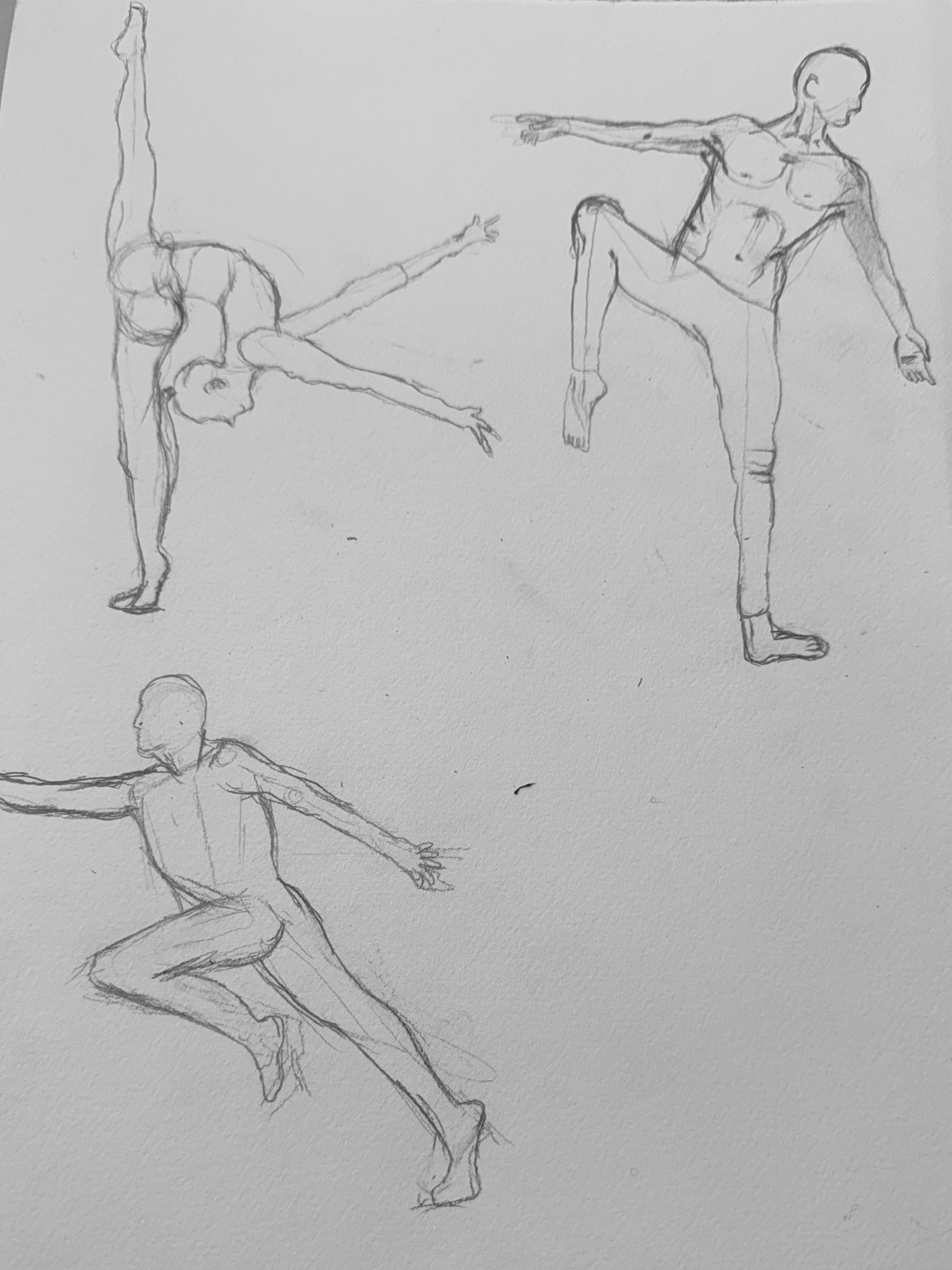
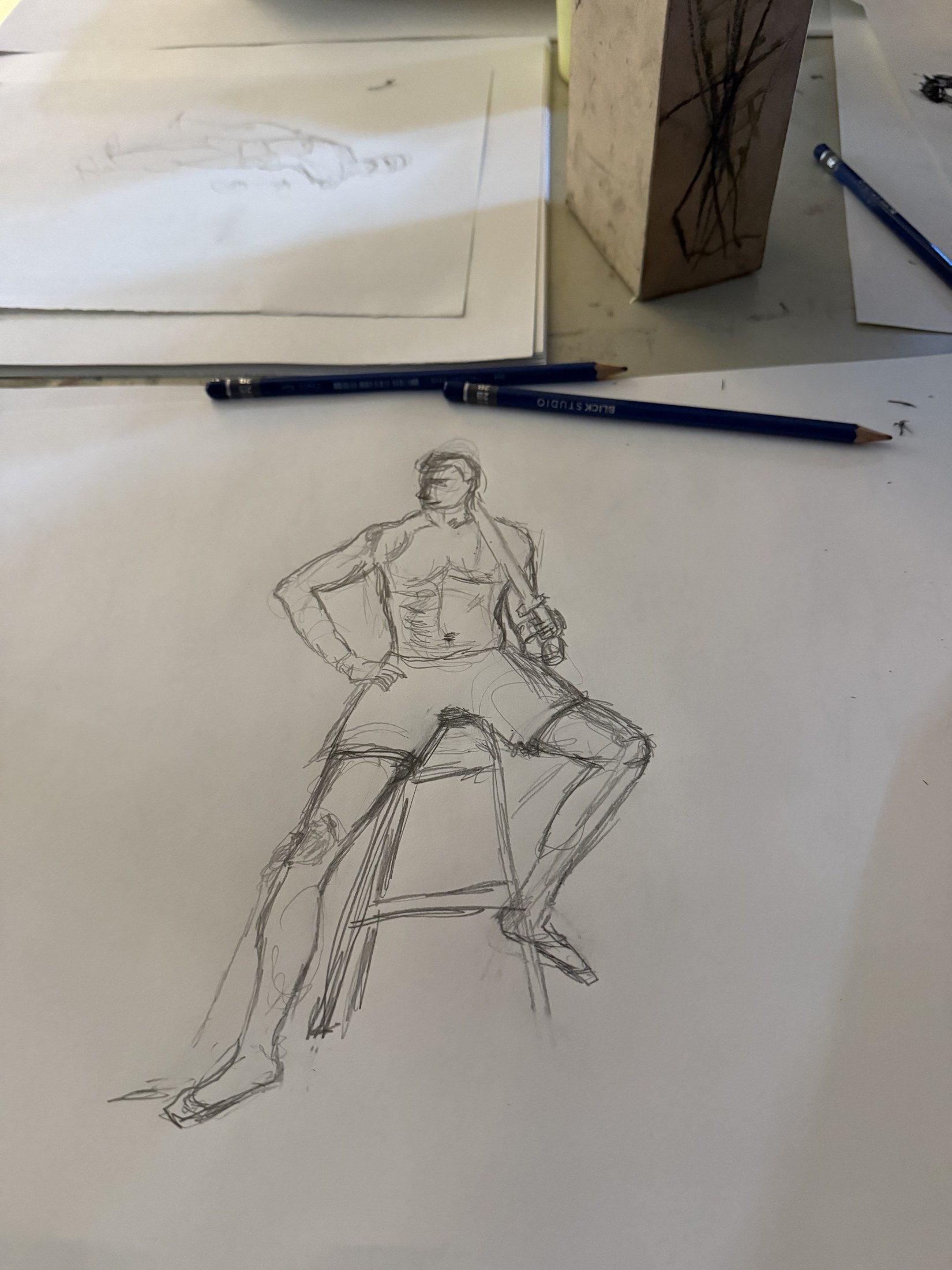
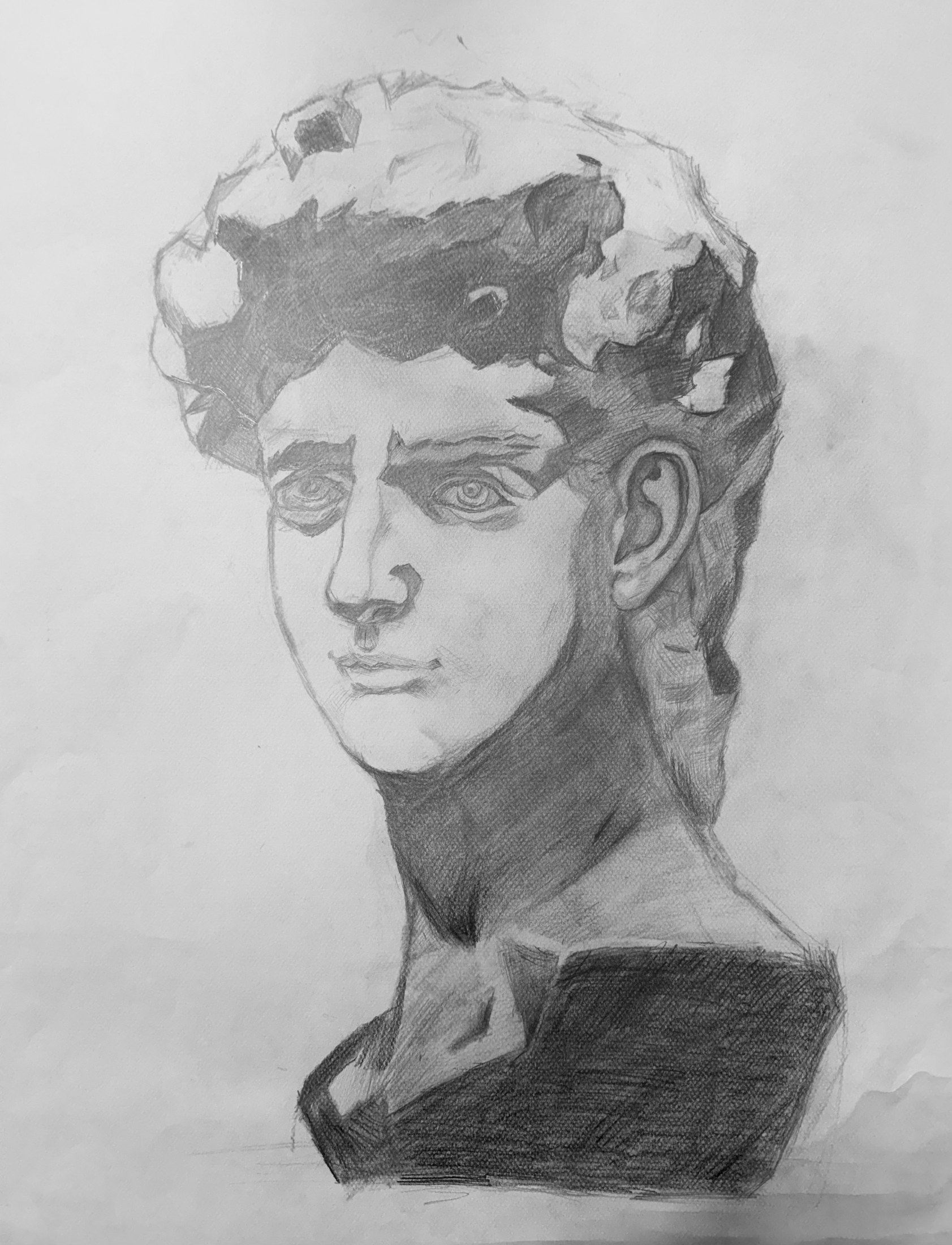
A Moment to Draw
Beyond studies and charitable activities, slow down with painting to record your observations.

PERSONAL INTEREST · ART
A Moment to Draw
Beyond studies and charitable activities, slow down with painting to record your observations.
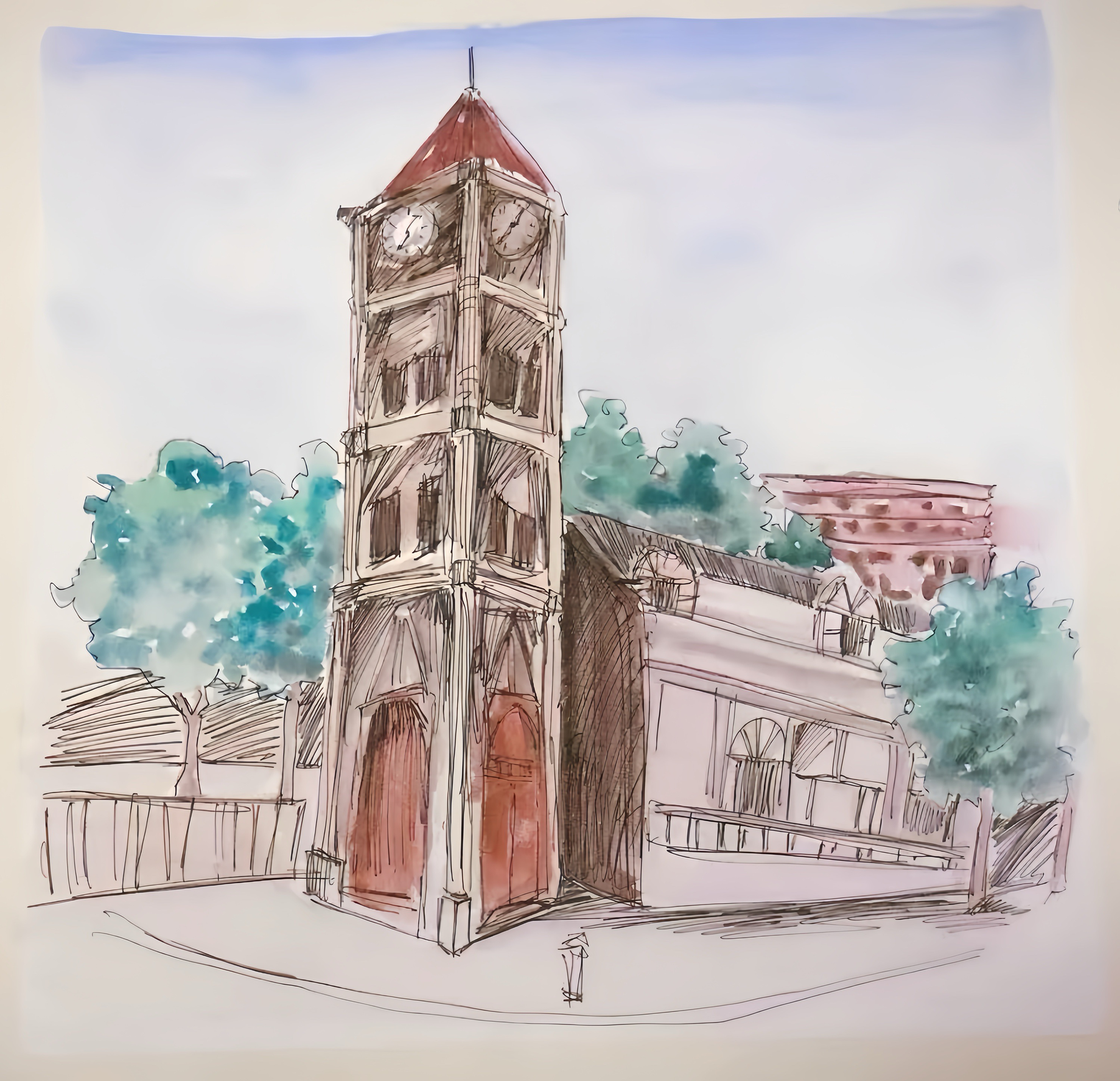
Drawing offers
another way of
observation.
CONTACTS
Learning.
Caring.
Creating.
PERSONAL
Jessica Ni
+1 (646) 203-2083
jessicani2026@163.com
NINGBO TAIKANG BRAIN HOSPITAL
No. 226 Chen'an Road,Yinzhou District, Ningbo City,
Zhejiang Province, China.
NEWBURGH ARMORY UNITY CENTER
321 South William Street,Newburgh, NY, USA